
Valentine’s Day is the perfect time to go beyond traditional flowers and choose a gift that’s lasting, personal, and full of life. Whether you’re adding a romantic touch to your garden or gifting a thoughtful plant to someone special, this guide highlights beautiful, easy-care options that offer more than a quick burst of color.
We’ve gathered a selection of easy-care Valentine’s Day plants that are not only visually striking but also ideal for containers, garden beds, and cut-flower arrangements.
From garden to vase, these are the plants we’re crushing on.
Featured Valentine’s Day Plants
Each of these picks was selected for its standout qualities—whether it’s vibrant seasonal color, fragrant blooms, or eye-catching foliage that brings year-round interest. These varieties aren’t just beautiful; they’re also reliable growers, well-suited for a range of climates and garden styles.
Whether you’re designing a full planting scheme or adding a thoughtful touch to a container, these plants offer strong visual impact with minimal upkeep.
Cupid’s Perfect Pairings
One of the most effective ways to create visual impact in the garden is through intentional plant pairings. By combining complementary colors, textures, and growth habits, you can create small planting vignettes that feel curated, cohesive, and seasonally inspired.
This Valentine’s Day, we’ve matched up a few of our favorite plants from the collection to help you design stunning containers, borders, or giftable arrangements. Each pairing is designed to be both beautiful and practical, offering romantic garden inspiration without the need for high-maintenance care.
Little Kiss Salvia + Colorpop Dianthus + Blush Pink Nandina
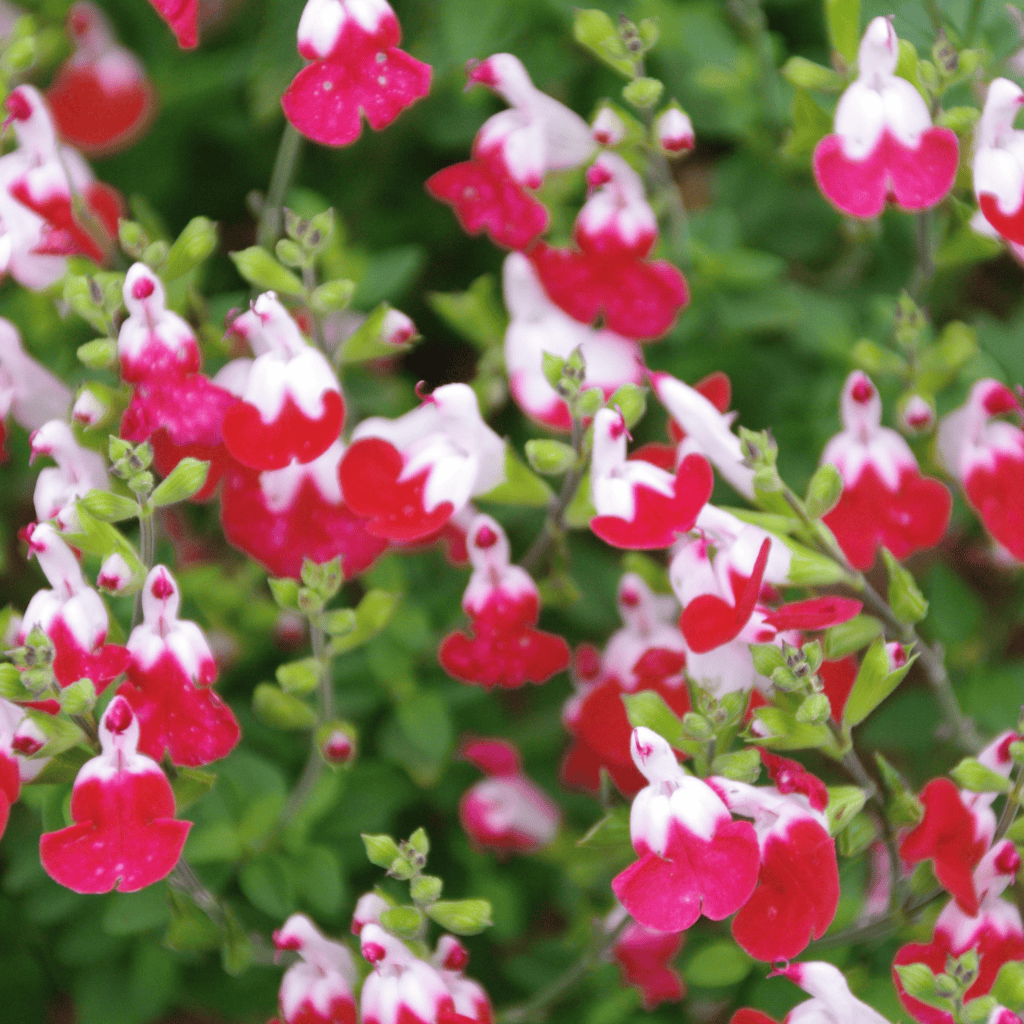
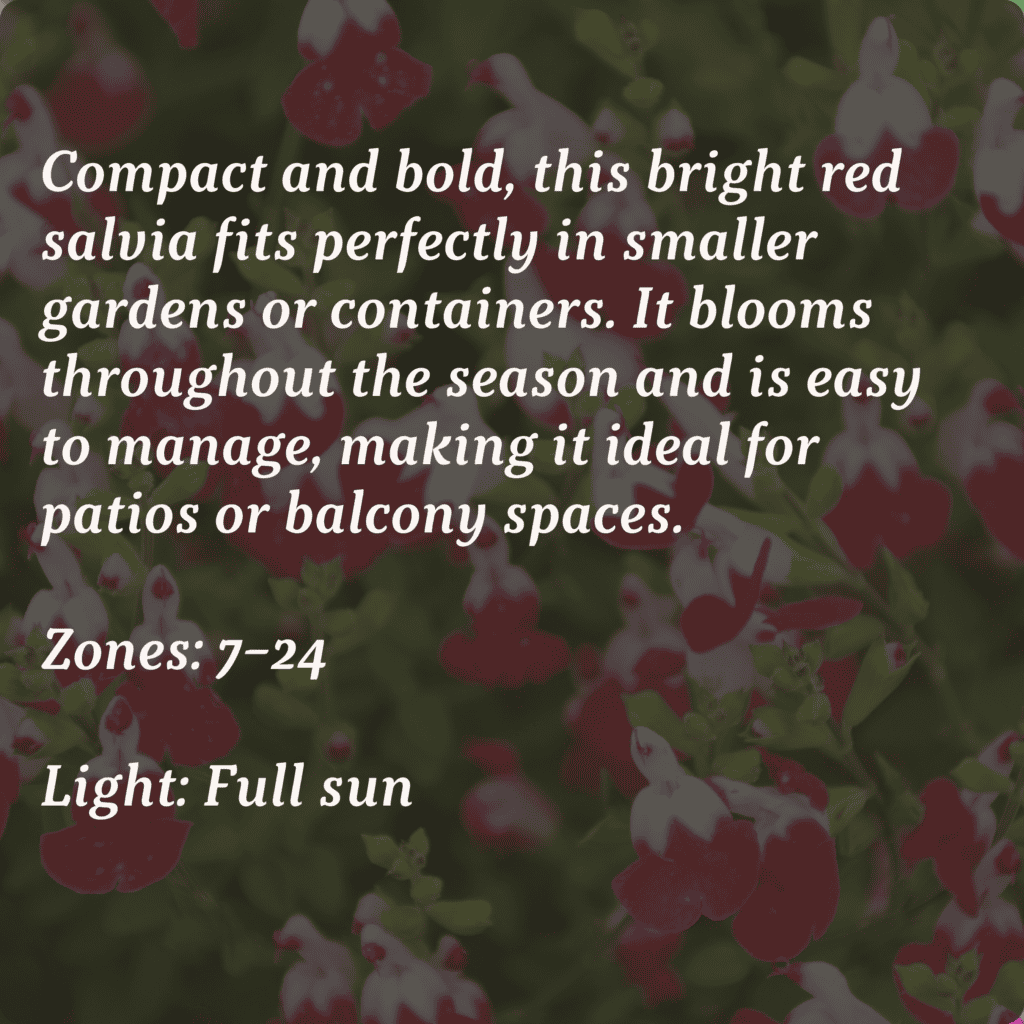
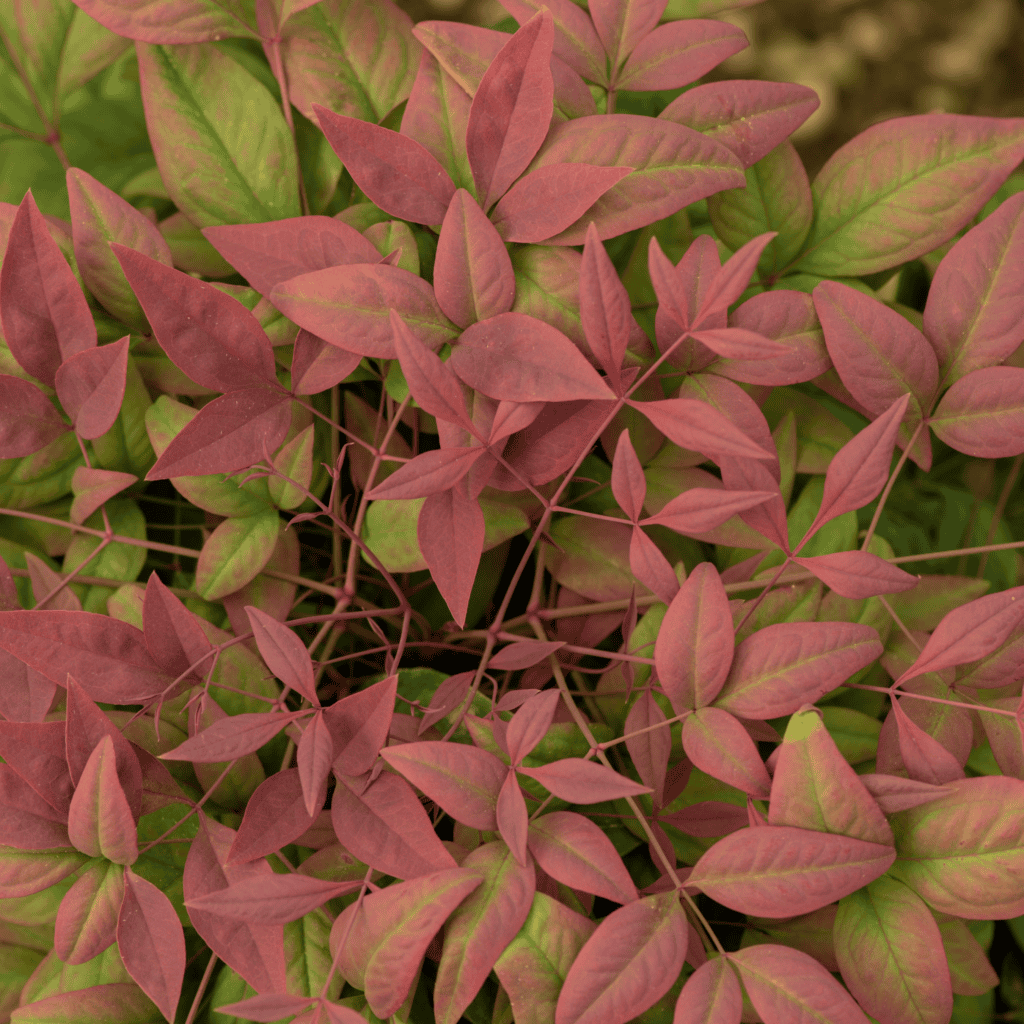
This trio offers a cheerful mix of bold blooms and soft-toned foliage. ‘Little Kiss’ Salvia delivers vibrant red flowers in a compact size, while ‘Colorpop’ Dianthus adds bright color and a sweet fragrance. ‘Blush Pink’ Nandina brings in soft, romantic foliage that lasts year-round.
Why it works: All three plants thrive in full sun and have compact growth habits, making this combo ideal for containers, small-space gardens, or entryways. With overlapping zones and similar care needs, it’s a practical and stunning mix for many climates.
Best for: Patio planters, small-space gardens, or entryway accents.
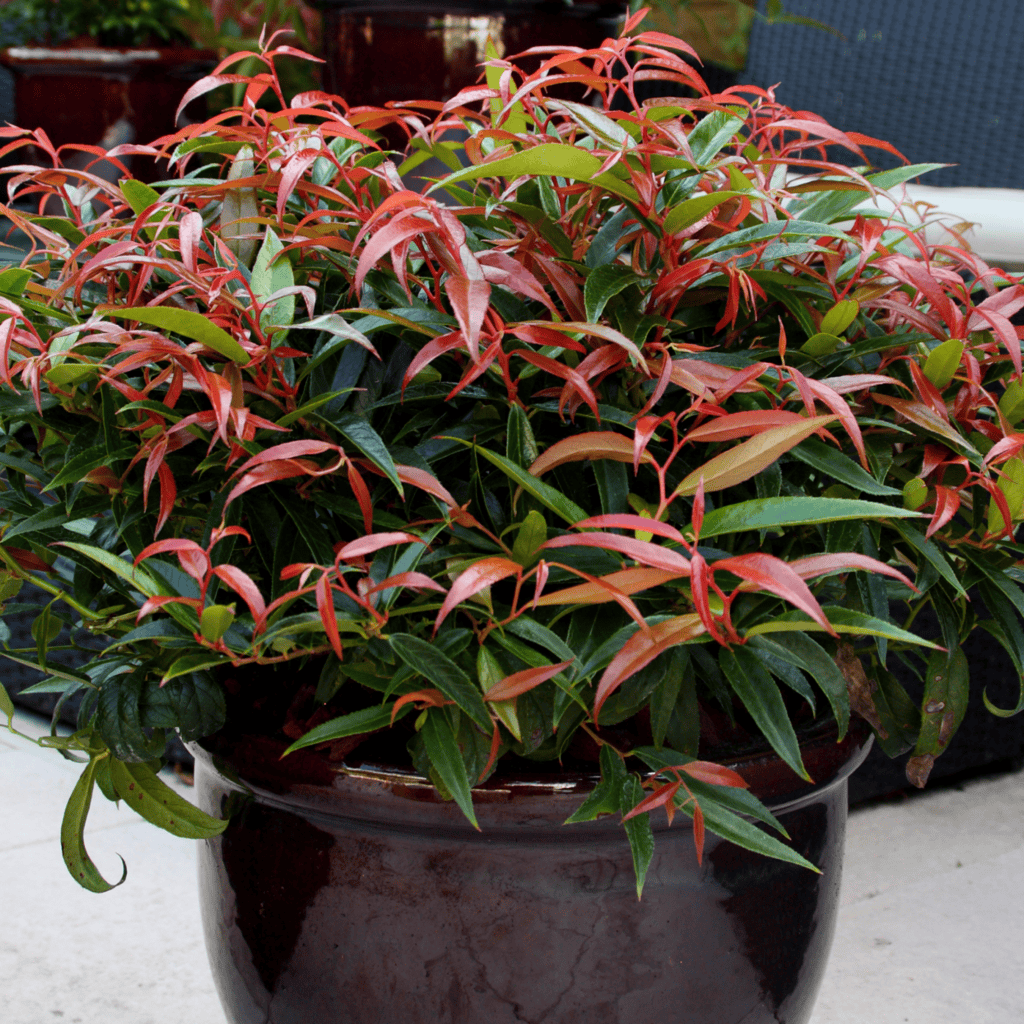
Burning Love Leucothoe + Raspberry Surprise Dianthus
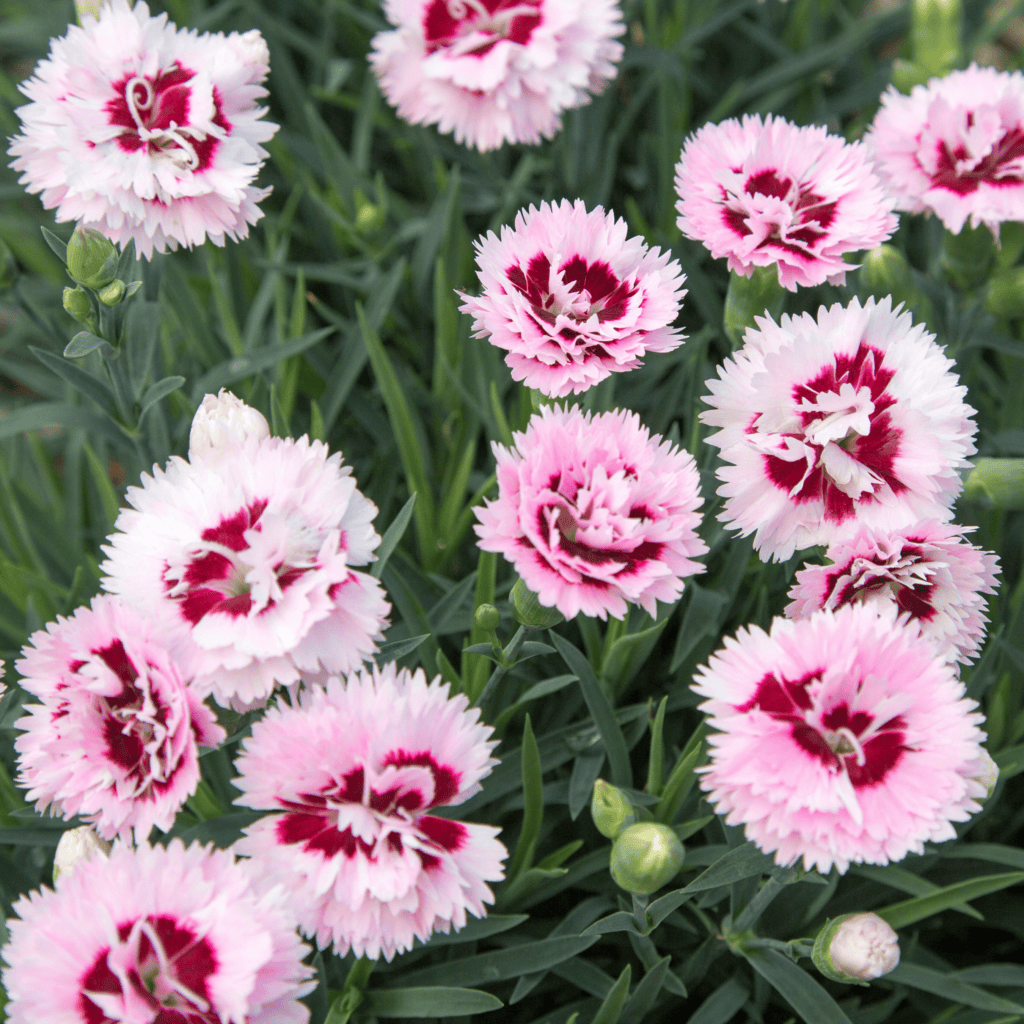
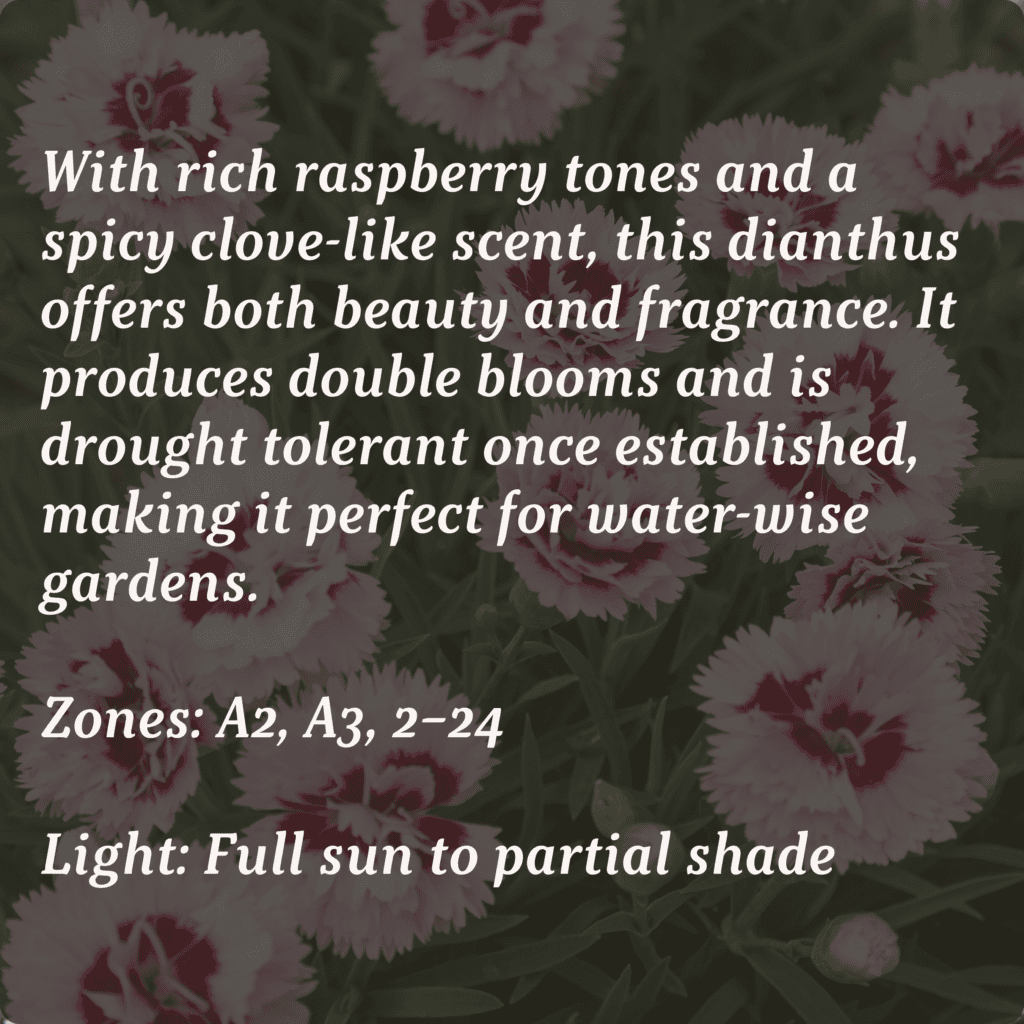
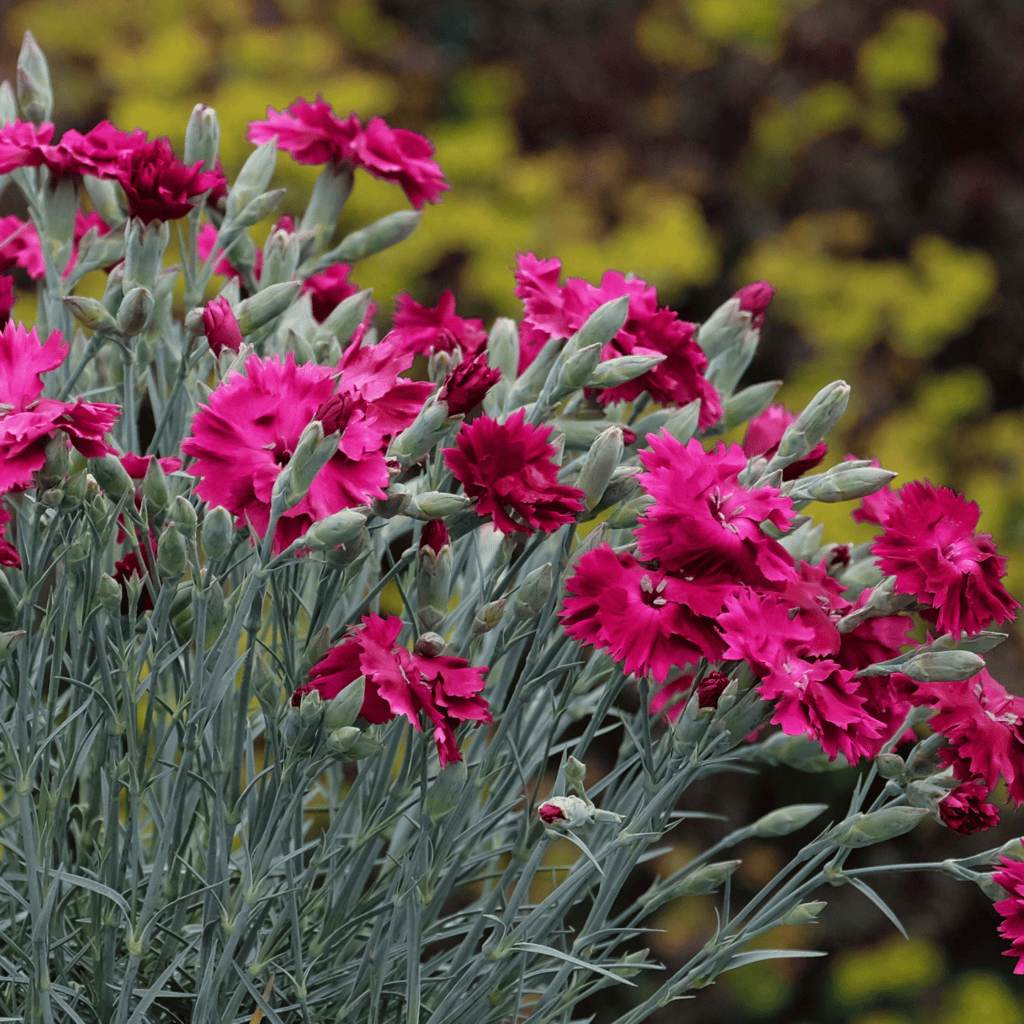
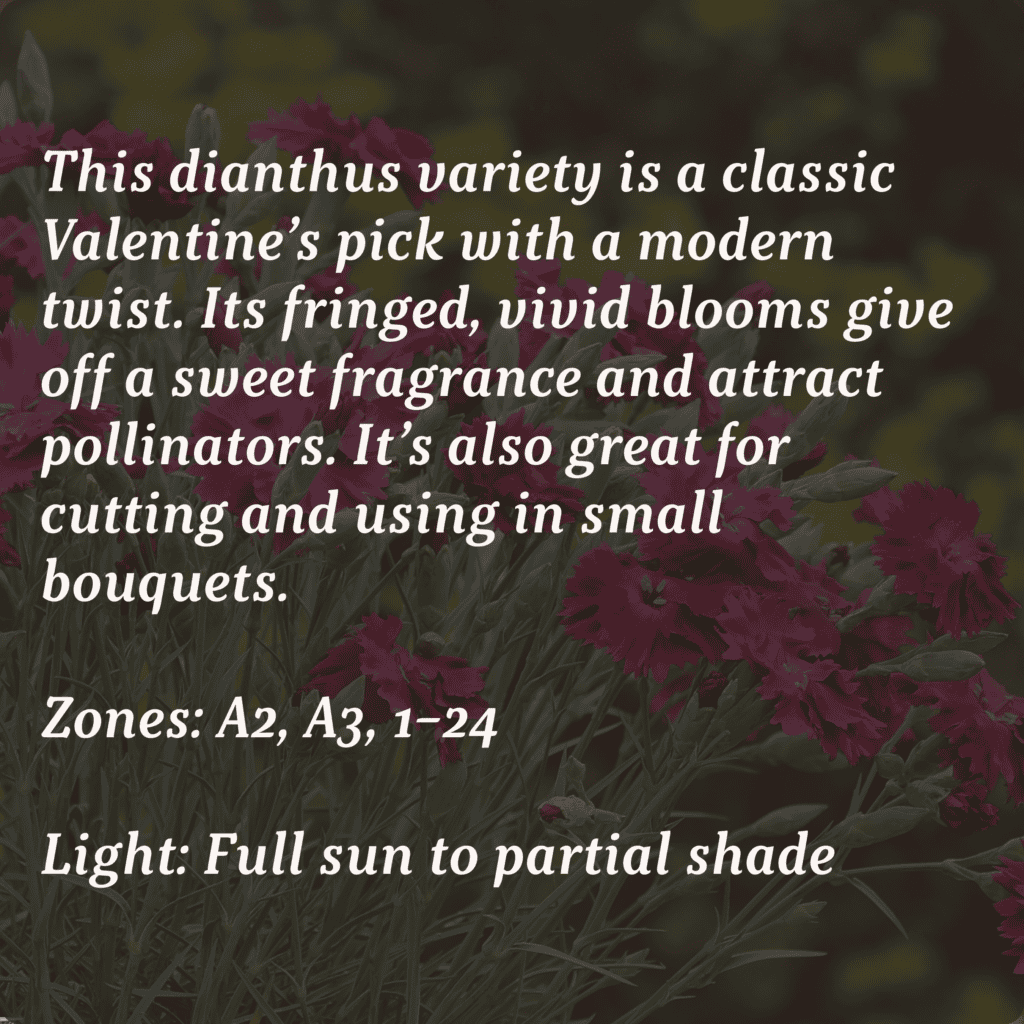
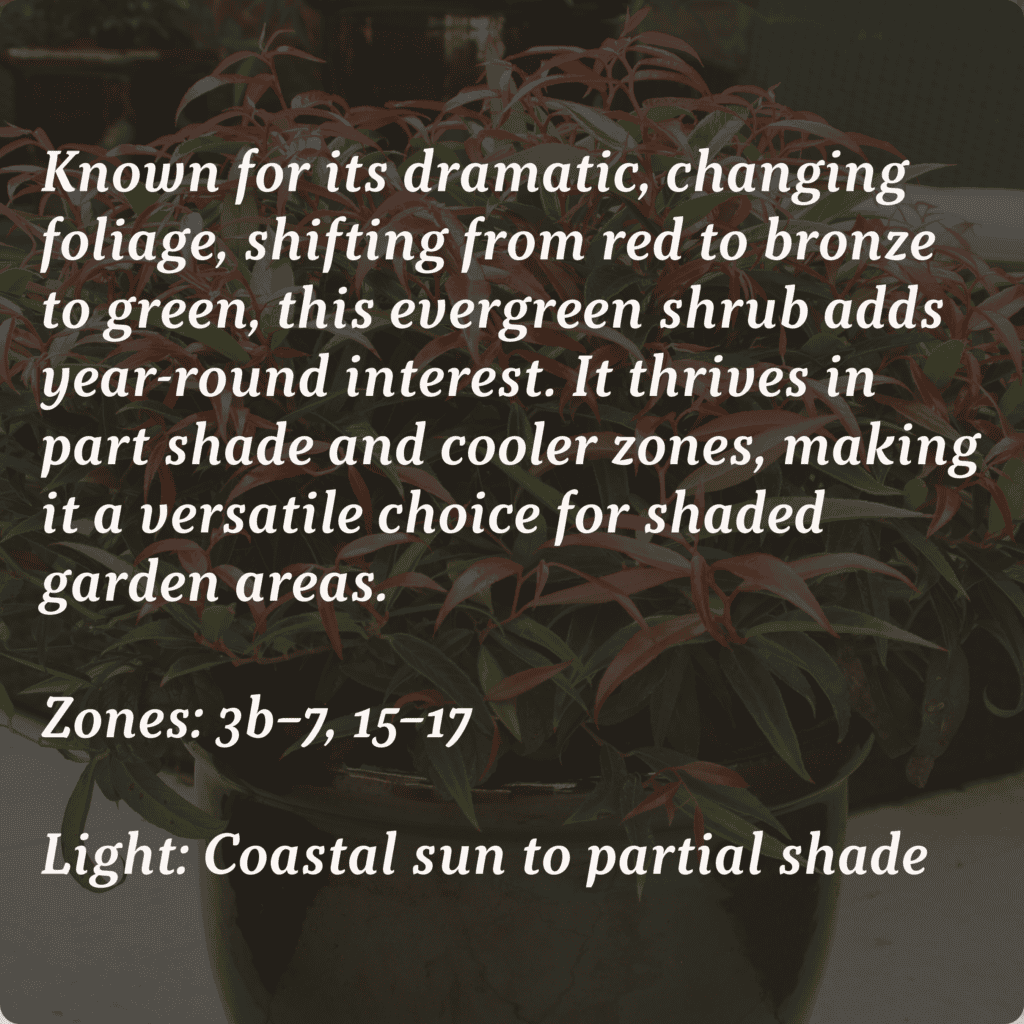
If you’re drawn to rich foliage and deep floral tones, this pairing makes a bold statement. ‘Burning Love’ Leucothoe offers seasonally shifting foliage in red, bronze, and green, while ‘Raspberry Surprise’ Dianthus brings vibrant color and a spicy-sweet scent.
What to know: While these two Valentine’s Day plants have different preferences, they can still thrive together in the right setting. Leucothoe prefers filtered light or part shade and moist, slightly acidic soil, while Dianthus favors full sun and good drainage. In cooler microclimates or eastern-facing beds, you can create the right balance by placing Dianthus toward the sunnier edge and Leucothoe where it gets some afternoon protection.
Pro tip: Mulch generously to retain moisture and use slightly acidic soil amendments to support the Leucothoe if your native soil tends to be alkaline.
Best for: Morning sun garden beds, coastal climates, or dappled shade borders where layered textures shine.
Love and Wishes Salvia + Heart Throb Hydrangea
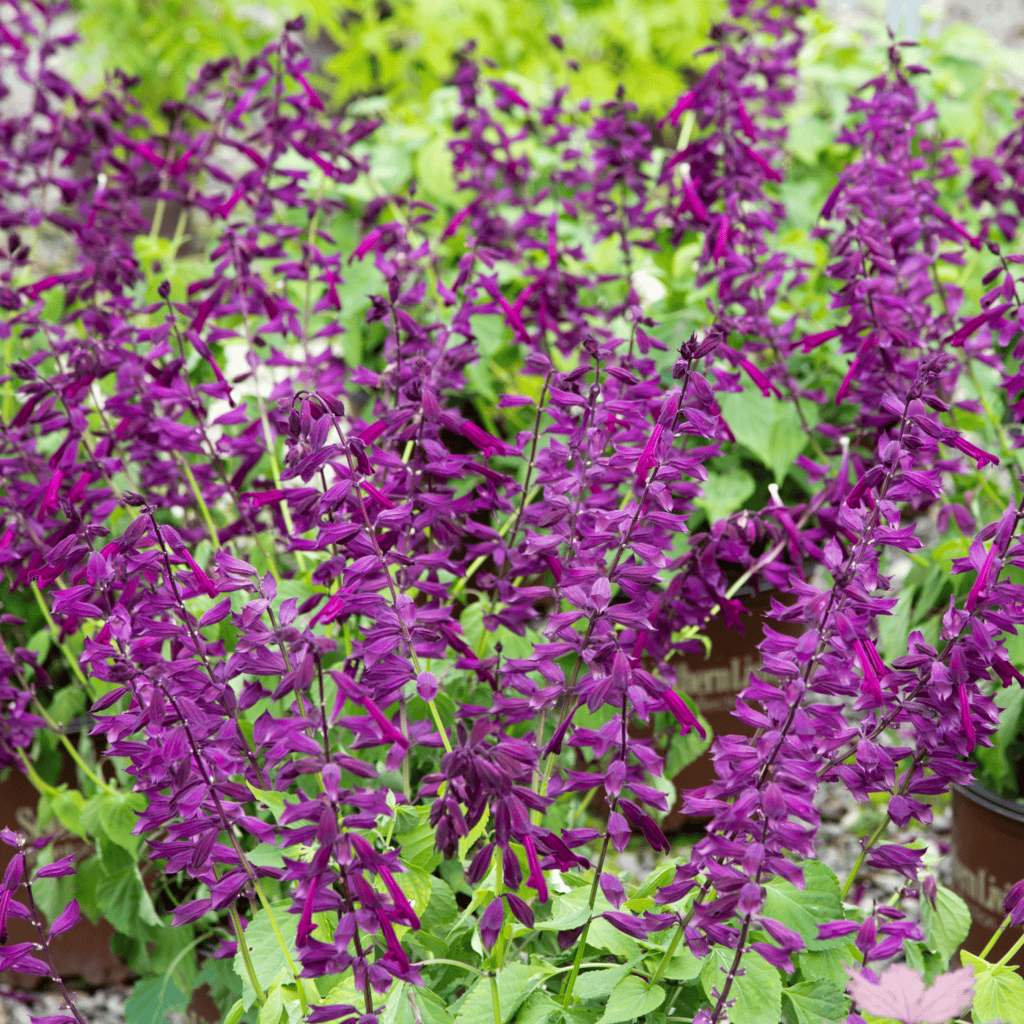
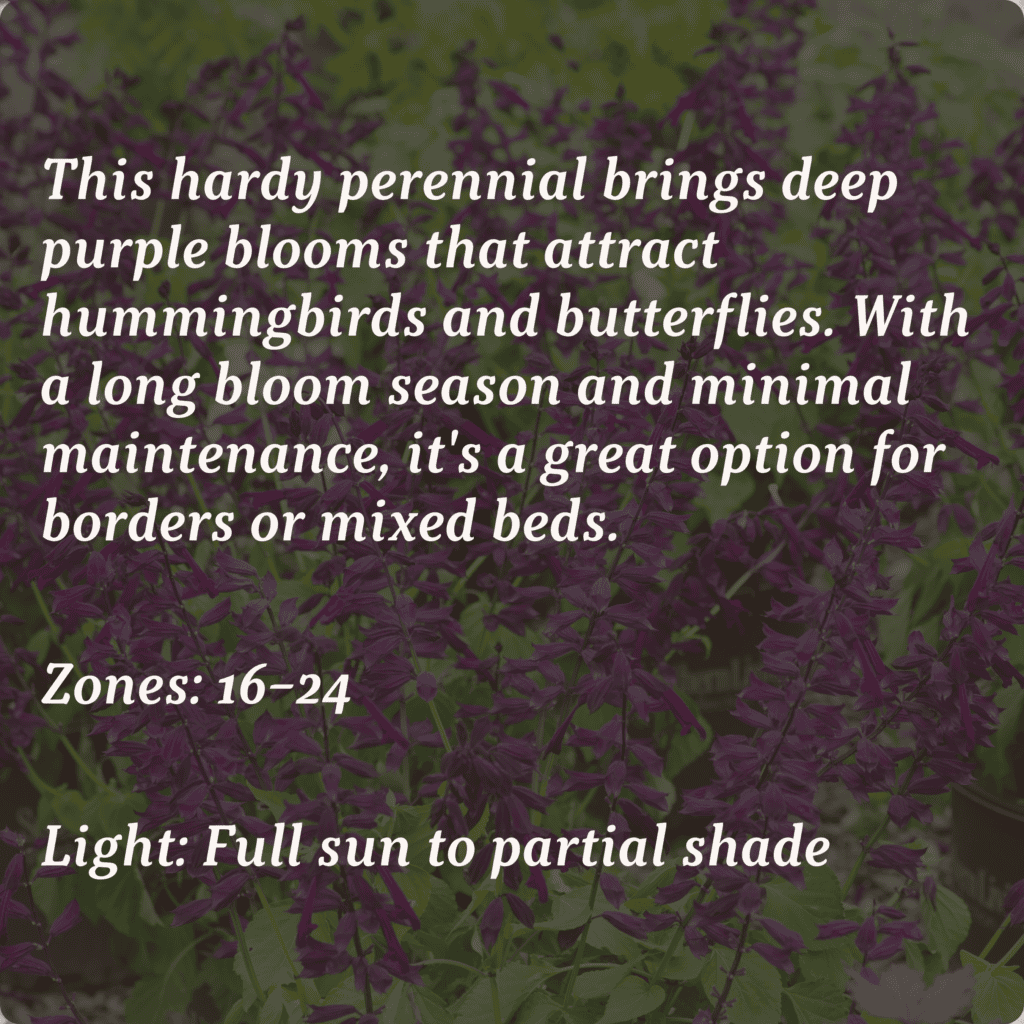
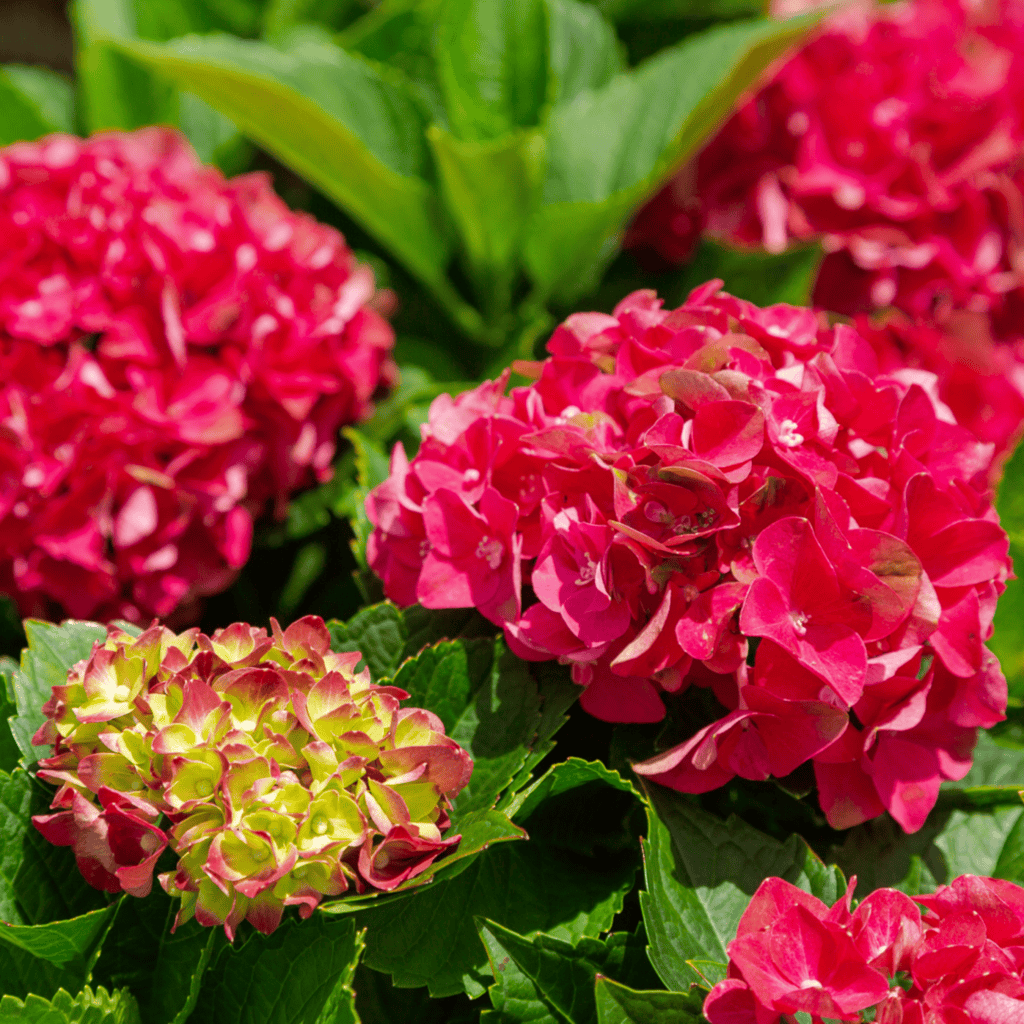
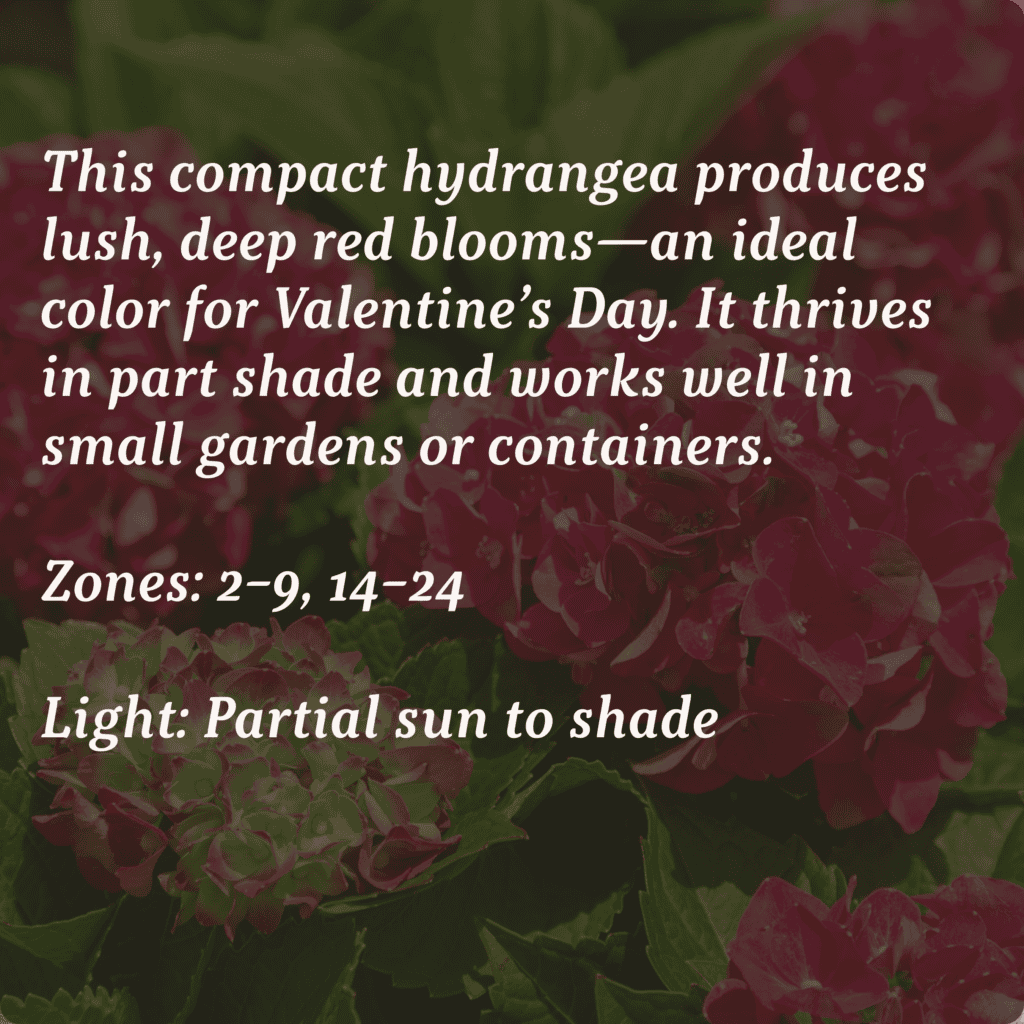
This duo brings rich color, texture, and movement to semi-shaded spaces. ‘Love and Wishes’ Salvia produces deep purple blooms over a long season and is highly attractive to pollinators, while ‘Heart Throb’ Hydrangea offers lush red flower clusters and a compact growth habit that suits smaller beds.
Why it works: Both plants prefer partial sun or dappled light, making them ideal for areas that receive morning sun or filtered light throughout the day. They also share similar watering needs and perform well with consistent moisture and mulch to retain soil coolness during hotter months.
Best for: Cottage-style borders, semi-shade beds, pollinator-friendly gardens, or shaded side yards where rich color and contrast are needed without full sun exposure.
It’s a Breeze Red Rose + Flirt Nandina
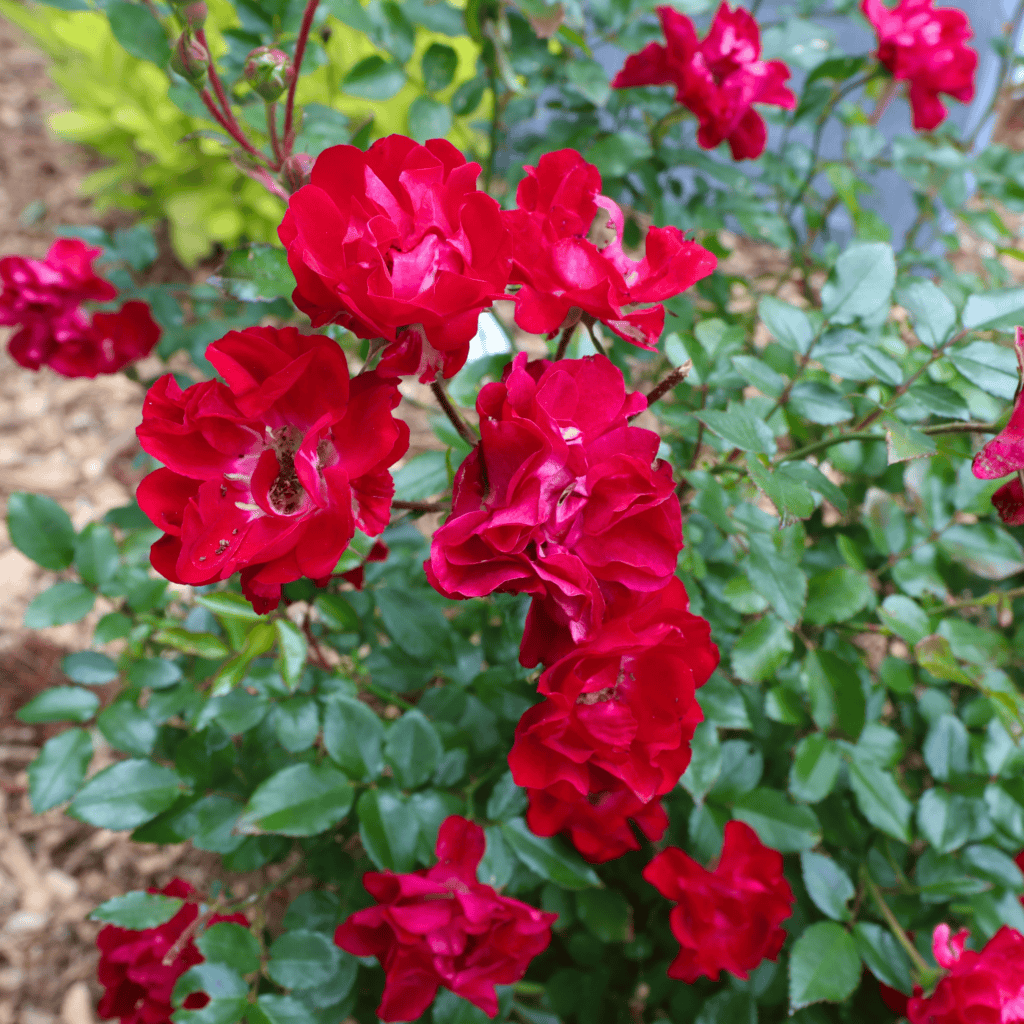
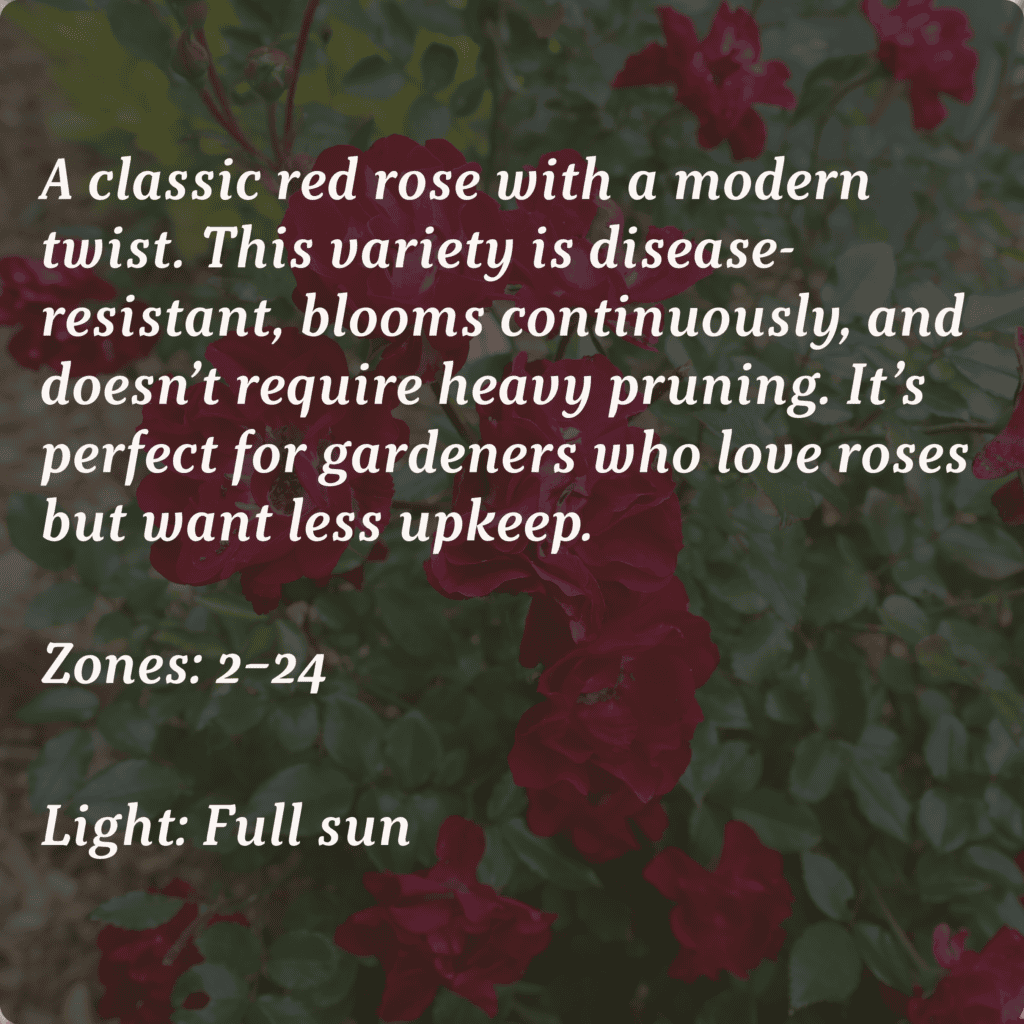
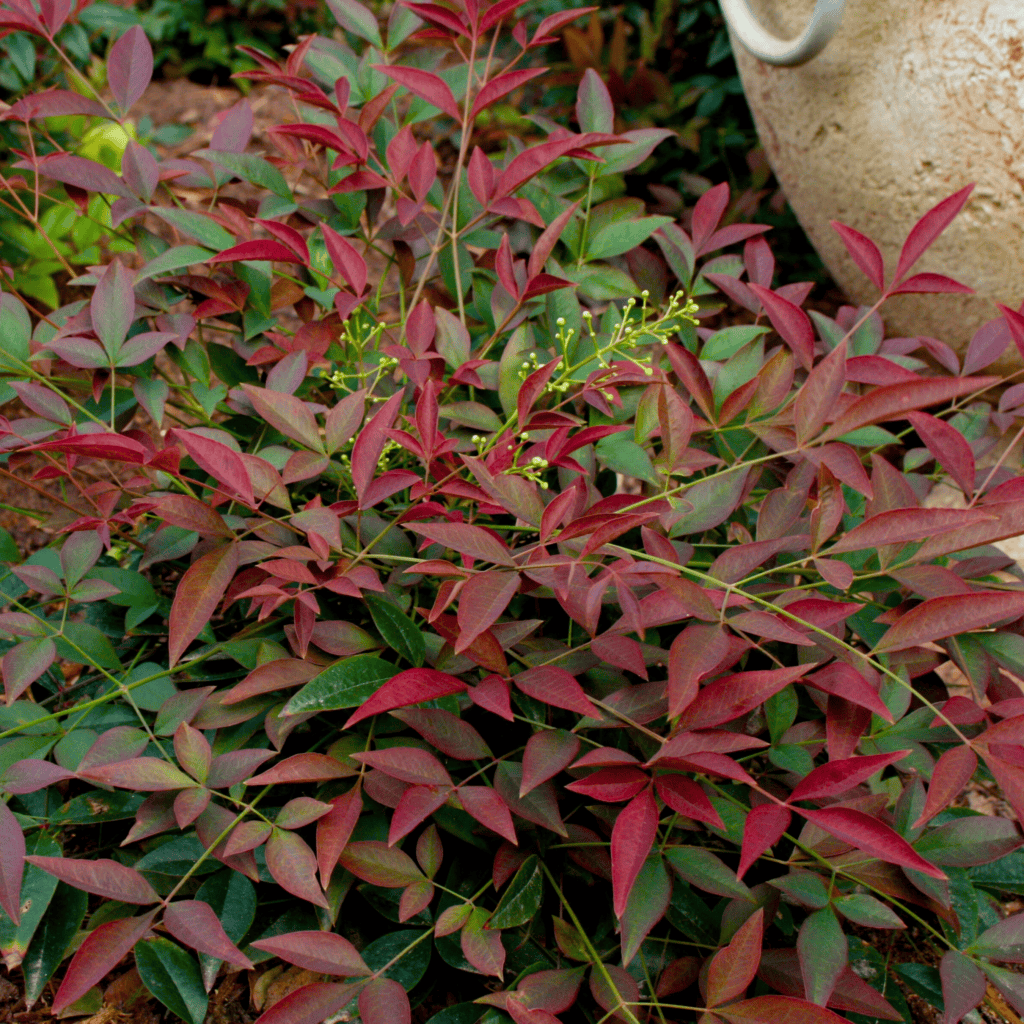
This classic-meets-modern combo is both bold and low-maintenance. ‘It’s a Breeze’ Rose features deep red blooms with excellent disease resistance, while ‘Flirt’ Nandina provides rich, red-toned foliage that keeps its color year-round.
Why it works: Both thrive in full sun, are extremely adaptable, and require very little upkeep once established. Their bold red tones create a cohesive, high-impact look that works beautifully in everything from raised beds to front yard focal points.
Best for: Formal or modern borders, elevated planters, or eye-catching entry plantings.
How to Clip & Arrange Garden Blooms
One of the most rewarding parts of growing your own plants is being able to bring that beauty indoors. Many of the Valentine’s Day picks from Sunset Plant Collection make excellent cut flowers for fresh arrangements.
Whether you’re building a centerpiece, gifting a homegrown bouquet, or simply brightening up your space, here are a few tips to get the most out of your garden-grown blooms:
- Cut early in the day. Morning is ideal, when plants are fully hydrated, and temperatures are cooler.
- Use sharp, clean shears. A clean cut helps the stem take up water more efficiently and prevents damage.
- Remove lower leaves. Strip any foliage that would sit below the waterline in a vase to reduce bacteria buildup.
- Refresh the water daily. Clean water extends the life of your blooms and keeps the arrangement looking fresh.
Tips for Keeping Arrangements Fresh
Once you’ve clipped your Valentine’s flowers and styled your arrangement, a little extra care can go a long way in keeping them fresh and vibrant. Whether it’s a table centerpiece or a homegrown Valentine’s bouquet, these simple steps will keep your arrangement looking vibrant and beautiful for days to come.
- Start with a clean vase. Always wash your vase with warm, soapy water before use. A clean container helps prevent bacterial growth that can shorten the life of your flowers.
- Trim stems at an angle. Cut each stem at a 45-degree angle to increase the surface area for water absorption. Re-trim stems every couple of days for the best results.
- Change the water regularly. Swap out old water every 1–2 days to keep things fresh. Rinse the vase and refill it with clean, room-temperature water.
- Keep them cool and out of direct sunlight. Place arrangements away from heat sources, direct sun, and fruit bowls (ripening fruit releases ethylene gas that can age flowers faster).
- Remove spent blooms. As flowers fade, pluck them out of the arrangement to prevent decay from affecting the rest of the bouquet.
Whether you’re planning a seasonal refresh, creating your own floral arrangement, or choosing a meaningful gift, there’s no better time to grow something with heart. Sunset Plant Collection offers a wide range of beautiful, dependable options that make a lasting impression.
Explore the full collection to find your perfect match, and let love bloom in every corner of your garden.