
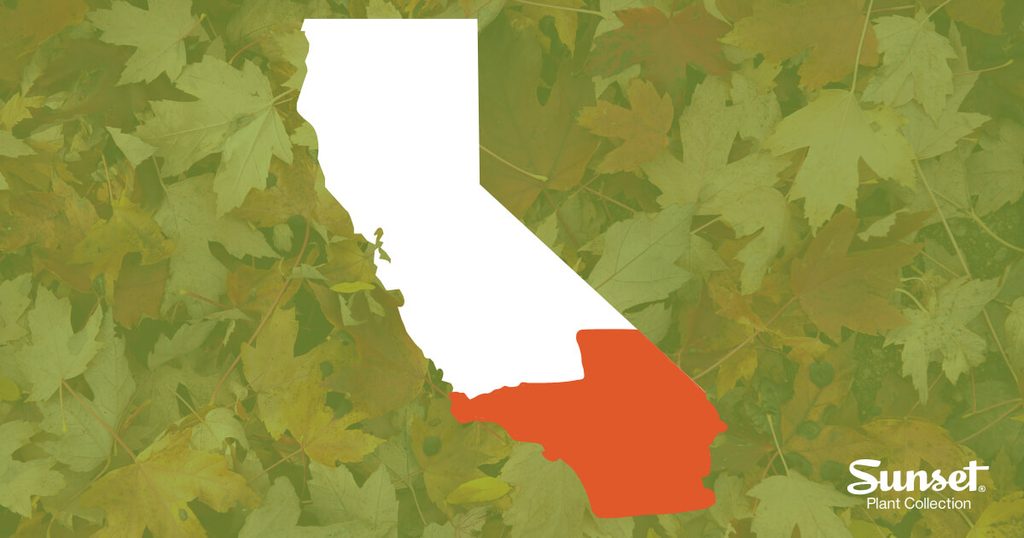
In Southern California, fall is one of the best times to get new plants established. As summer’s intense heat begins to ease, cooler air and still-warm soil create favorable conditions for planting shrubs and perennials. This gives their roots time to begin growing before the demands of another hot, dry summer.
But successful fall planting starts with choosing plants for your particular location. A garden near the coast may have different growing conditions than one in an inland valley or foothill community. This Southern California fall planting guide covers when to plant, which varieties to consider, and how to give them the best start.
When Is the Best Time to Plant in Southern California?
For many Southern California gardeners, October and November are excellent months for planting shrubs and perennials. Temperatures are generally more moderate than in summer, while soil often remains warm enough for continued root growth.
However, the ideal planting window depends on where you live.
- Coastal areas: Mild temperatures can allow for a longer planting season. Consider coastal winds, salt exposure, and sunlight when selecting plants.
- Inland valleys: Wait until periods of extreme summer heat have passed. These locations often experience hotter afternoons and greater temperature fluctuations than nearby coastal communities.
- Foothill and higher-elevation gardens: Pay closer attention to winter lows and frost risk. Cold-sensitive varieties may need protection or may not be suitable for your location.
Rather than relying on a specific date, choose a stretch of moderate weather and make sure the plants you select are appropriate for your local climate. In Southern California, fall can still bring hot, dry Santa Ana winds that increase water loss and stress newly planted shrubs. When possible, avoid planting immediately before extreme heat or strong wind events, and monitor soil moisture closely during dry periods.
Know Your Southern California Planting Zone
Southern California includes several distinct growing climates, from mild coastal neighborhoods to hot inland valleys and colder mountain areas. That’s why a plant that thrives in one part of the region may struggle in another. Before choosing what to plant this fall, check your Sunset Climate Zone. Sunset Climate Zones consider regional growing conditions, including seasonal temperatures and coastal influences. They’re especially useful for selecting plants in the West, where growing conditions can change significantly over short distances.
It’s also important to check each plant’s USDA Hardiness Zone, especially in inland valleys, foothills, and mountain communities where winter temperatures can drop below freezing. Sunset Climate Zones help account for regional growing conditions, while USDA Hardiness Zones indicate average annual extreme minimum temperatures. Using both helps you select plants better suited to your garden.
Six Fall Garden Plants for Southern California
Fall is an opportunity to add plants that offer more than seasonal appeal. Evergreen shrubs provide structure, colorful foliage keeps beds interesting throughout the year, and flowering plants bring welcome color into the cooler months.
These six Sunset Plant Collection varieties offer different benefits for Southern California gardens. Use the growing zones and plant requirements below to help determine which selections are best suited to your landscape.
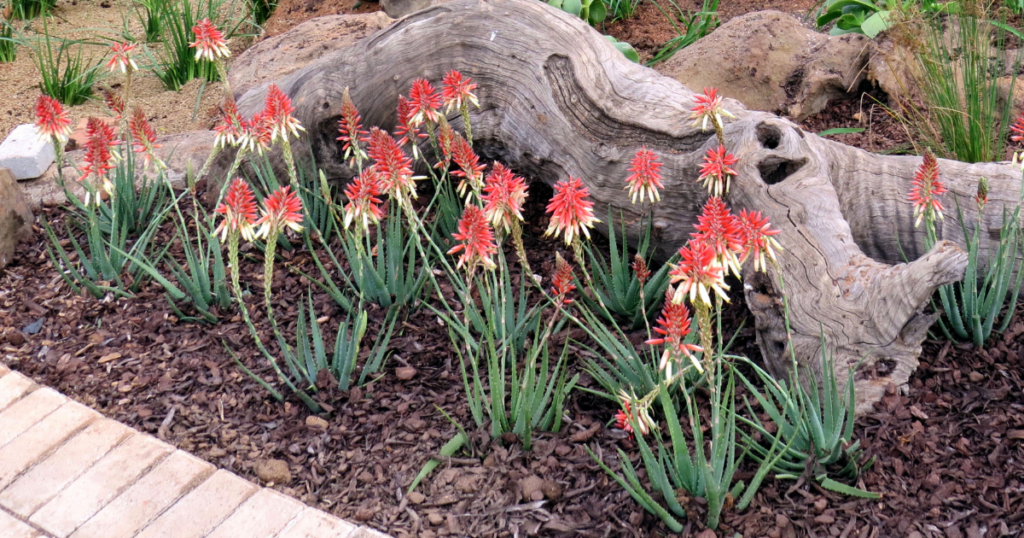
Safari Sunrise™ Aloe
Looking for color beyond the traditional growing season? Safari Sunrise Aloe produces vibrant orange-and-pink flowers, peaking from fall into midwinter. Its nectar-rich flowers also attract hummingbirds and butterflies, bringing activity to the garden when many other flowering plants are quiet.
With a compact habit, Safari Sunrise works well in rock gardens, sunny borders, and decorative containers. Its low water needs once established make it a useful option for water-wise landscapes in suitable warm-climate areas.
Safari Sunrise Aloe is best suited to warmer Southern California gardens within its recommended USDA Zones 9–11. In frost-prone inland and higher-elevation locations, choose a protected planting site or grow it in a container that can be moved during freezing weather. Well-drained soil is essential, particularly during winter rainfall.
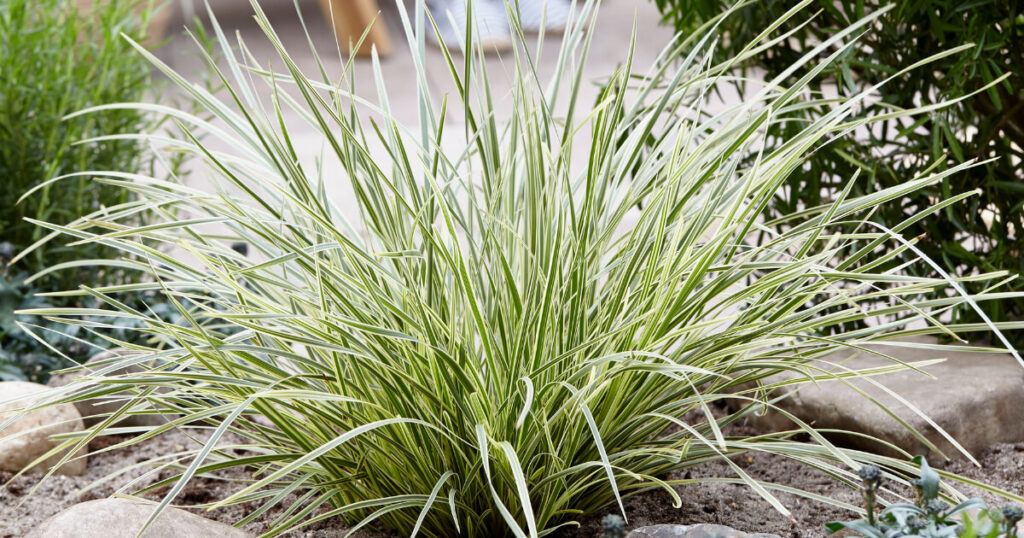
Platinum Beauty® Lomandra
If your garden needs something to soften hard edges or bring movement to a planting bed, consider Platinum Beauty Lomandra. Its long, arching green leaves feature delicate white striping, providing color and texture without relying on flowers. Repeating several plants along a walkway or retaining wall creates a cohesive look, while the variegated foliage contrasts beautifully with succulents and darker evergreen shrubs.
Platinum Beauty also tolerates heat, salt spray, and a relatively wide range of soil conditions. Once established, it requires little water, making it useful in suitable water-wise landscapes.
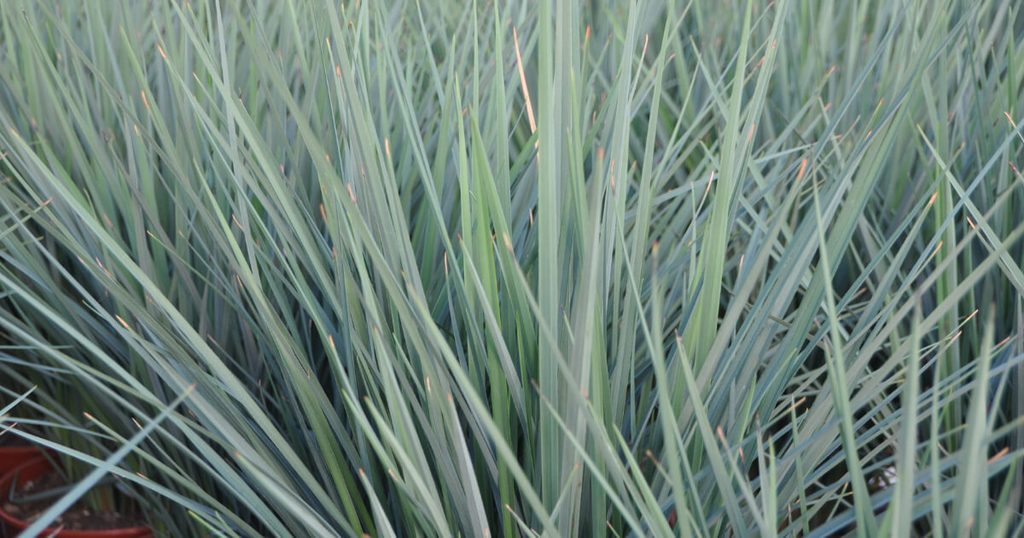
Coolvista™ Dianella
While lomandra brings a flowing shape to the landscape, Coolvista Dianella offers a more upright, architectural look. Its slender blue foliage provides striking contrast against green shrubs, pale stone, and gravel pathways. Small blue flowers appear in spring, but the foliage remains its primary attraction throughout the year.
Coolvista tolerates heat, salt, sun, and lower-water conditions once established. Its vertical growth habit makes it particularly useful in repeated groupings, mixed borders, and containers.
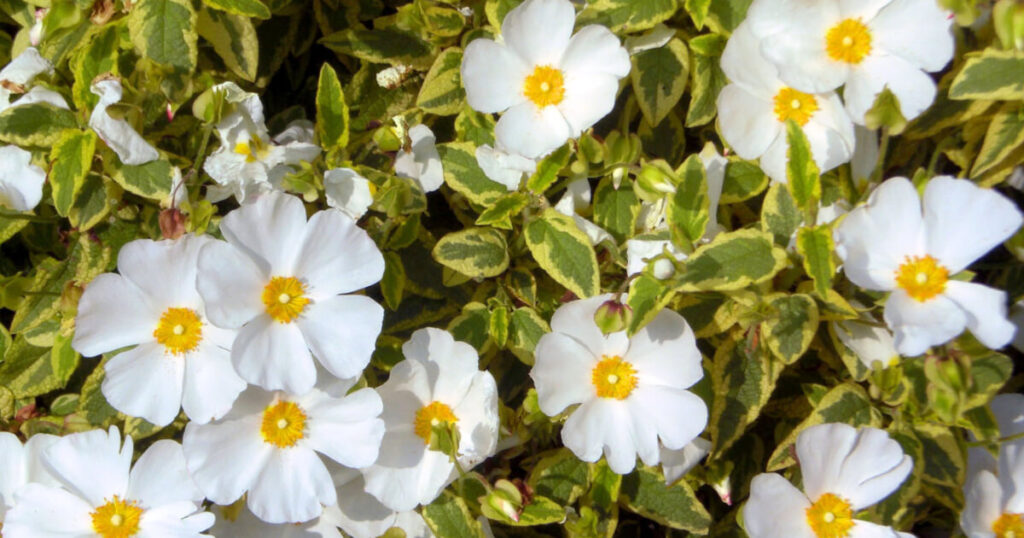
‘Little Miss Sunshine’ Cistus
For a smaller plant that thrives in sunny, well-drained conditions, ‘Little Miss Sunshine’ Cistus offers year-round interest. Its colorful evergreen foliage brightens garden beds even outside the flowering season, while pure white flowers appear in spring.
This compact shrub is particularly useful at the front of borders, in rock gardens, or along sunny slopes. Its tolerance of heat, drought, salt, and wind makes it a practical choice for appropriately situated low-water landscapes.
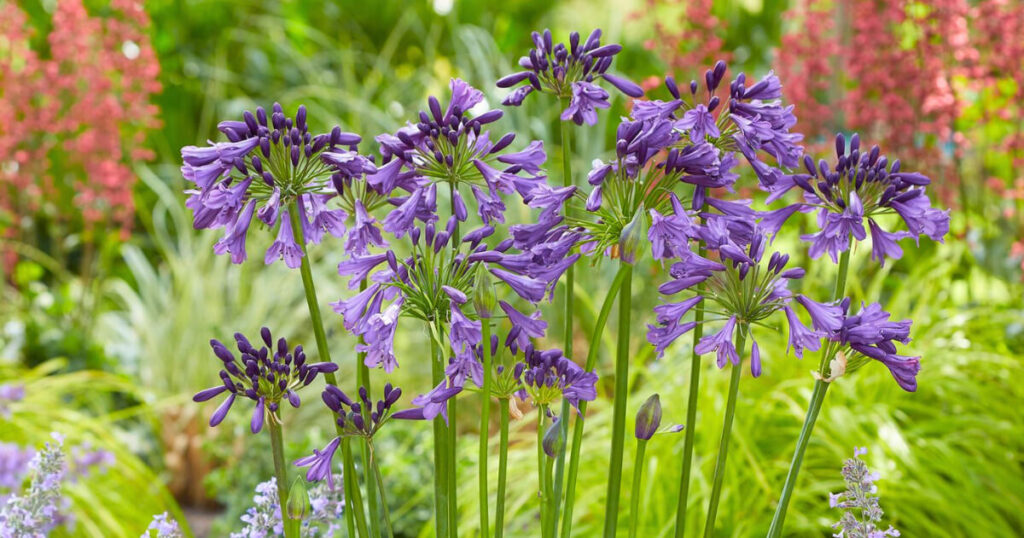
Ever Amethyst™ Agapanthus
For gardeners looking to balance foliage-focused plantings with vibrant flowers, Ever Amethyst Agapanthus brings rich purple color to the landscape. This semi-dwarf selection produces multiple stalks of deep purple flowers. Its upright blooms contrast beautifully with the arching foliage of Platinum Beauty Lomandra or the blue leaves of Coolvista Dianella.
Ever Amethyst works well in mixed borders, repeated groupings, and decorative containers. It also attracts hummingbirds and requires relatively little water once established.
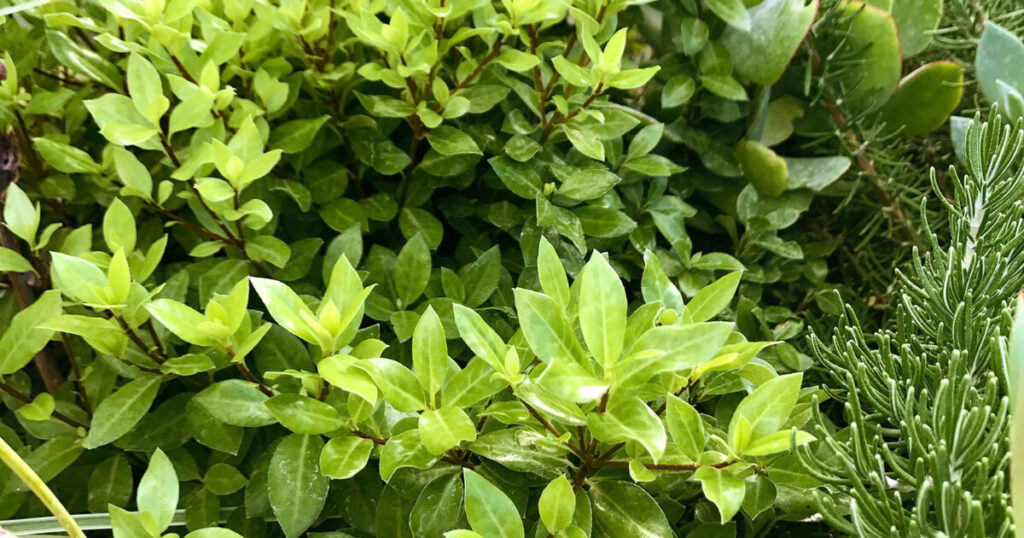
Beach Ball™ Pittosporum
Every landscape benefits from plants that provide structure when flowers aren’t in season. Beach Ball Pittosporum fills that role with dense, glossy evergreen foliage and a naturally compact, rounded habit. Its tidy growth makes it useful for low hedges, foundation plantings, edging, and containers. Because it maintains a naturally rounded form, it generally requires less shaping than shrubs that need frequent pruning.
Beach Ball also has low water needs once established and tolerates salt exposure, making it worth considering for appropriate coastal gardens.
How to Choose Plants for Coastal and Inland Southern California
Even within the same region, growing conditions can change dramatically over relatively short distances. Coastal gardens may experience salt exposure, ocean breezes, and cooler summer temperatures. Inland landscapes often contend with stronger afternoon sun, reflected heat, and greater seasonal temperature extremes. Before selecting plants, consider the conditions they’ll experience throughout the year, not just during fall.
For Coastal Gardens
Look for plants that can handle your site’s wind, sunlight, and salt exposure. Also, make sure to pay attention to drainage, particularly in areas with heavy soil or locations where winter rain collects.
For Hot Inland Gardens
Choose plants suited to summer heat and consider how surrounding surfaces affect growing conditions. South- and west-facing walls, concrete patios, gravel, and pavement can increase temperatures around nearby plants. A bed beside a driveway may be considerably hotter than one in an open part of the garden.
For Frost-Prone Locations
Southern California isn’t warm everywhere. Inland valleys, foothills, and higher elevations can experience winter temperatures cold enough to damage tender plants. Check each plant’s Sunset Climate Zone before planting. Avoid assuming that a plant recommended for Southern California will tolerate every inland location.
How to Plant Shrubs and Perennials in Fall
- Choose and Prepare the Planting Site: Check that the location provides the appropriate sunlight, drainage, and room for the plant’s mature size. Remove weeds and debris, and identify any areas where water tends to collect.
- Dig the Planting Hole: Dig a hole approximately as deep as the root ball and wider than the container to allow room for positioning and backfilling. Avoid planting too deeply. The top of the root ball should generally sit level with the surrounding soil or slightly above it where drainage conditions require.
- Position and Backfill: Carefully remove the plant from its container and inspect the roots. Gently loosen tightly circling roots when necessary. Position the plant at the correct depth and backfill with the excavated soil, lightly firming it to remove large air pockets.
- Water Thoroughly: Water immediately after planting, making sure the original root ball and surrounding soil receive moisture.
- Apply Mulch: Add approximately 1–2 inches of mulch around the planting area to help reduce evaporation and moderate soil temperatures. Keep mulch away from the plant’s stems and crown to avoid trapping excess moisture.
How Often Should You Water Newly Planted Shrubs in Southern California?
Although fall temperatures are generally cooler, newly planted shrubs and perennials still need consistent moisture while their roots establish. Even plants described as drought-tolerant or water-wise require establishment watering. There isn’t one watering schedule that works for every Southern California garden. Frequency depends on the weather, soil type, drainage, plant size, and individual variety.
After planting, water thoroughly and continue checking the moisture within the original root ball. If it’s drying out, water deeply enough to moisten the root ball and surrounding soil. If the soil remains wet, allow it to drain before watering again. As roots grow into the surrounding soil and temperatures cool, irrigation can often be reduced.
Group plants with similar water needs together to make irrigation more efficient. During hot, dry Santa Ana wind events, newly planted shrubs may need more frequent moisture checks, even in fall. As plants establish, gradually adjust watering to their individual needs, allowing well-drained soils to dry appropriately between irrigation cycles.
Prepare for Southern California’s Fall and Winter Conditions
Southern California’s fall and winter weather can vary considerably, from hot, dry Santa Ana winds to periods of heavy rainfall. Preparing your garden for both conditions can help newly planted shrubs and perennials establish successfully.
Manage Winter Rainfall and Drainage
After Southern California’s typically dry summers, winter drainage can be easy to overlook. Low-lying areas, compacted soil, and planting beds near roof drainage may collect excess water during heavy storms. This is especially important for plants that prefer well-drained conditions, such as Safari Sunrise Aloe and ‘Little Miss Sunshine’ Cistus.
Before planting, observe how water moves through your garden and avoid locations that regularly remain saturated. A naturally well-drained site or appropriately constructed raised bed may provide better growing conditions for drainage-sensitive varieties.
Protect New Plants During Hot, Dry Weather
Even in fall, Southern California can experience periods of intense sunshine, low humidity, and strong Santa Ana winds. These conditions can dry out newly planted shrubs more quickly than expected.
Check soil moisture regularly during warm, windy weather and provide supplemental water when needed. Apply mulch around the root zone to help conserve moisture and moderate soil temperatures, keeping it away from plant stems and crowns. In frost-prone inland locations, protect cold-sensitive plants during freezing weather and make sure each variety is suitable for your local growing zone.
Make the Most of Southern California’s Fall Planting Season
Fall offers an opportunity to establish new plants while conditions are more favorable and prepare the landscape for the demands of the following summer. Whether you’re adding flowering accents, colorful foliage, or evergreen structure, the best results begin with choosing plants suited to your local climate, sunlight, soil, and water needs.
Explore the Sunset Plant Collection to discover more plants for your garden, or find a garden center near you when you’re ready to start planting.
Gardening elsewhere in the West?
Explore our What to Plant Across the West This Fall guide for additional regional planting recommendations.