
As winter begins to loosen its grip, the first pollinators of the season quietly emerge—hungry, active, and in search of food. By planting early-blooming shrubs and perennials now, you can give these vital garden helpers a head start, while also bringing beauty and color to your landscape before spring fully arrives.
West Coast gardeners have a unique opportunity to be part of the pollinator solution thanks to a mild climate and long growing season. Whether you’re in California, the Pacific Northwest, or desert regions, February and March are prime times to plant early-bloomers that do double duty: feeding pollinators and enhancing your garden’s design.
Here are standout selections from the Sunset Plant Collection that support pollinators right now:

‘Soft Caress’ Mahonia
One of the earliest bloomers in the garden, this shade-loving shrub is a pollinator magnet. Its bright yellow, fragrant blooms appear in late winter—just in time for awakening bees and overwintering hummingbirds. With its fern-like, spineless foliage, ‘Soft Caress’ also brings softness and elegance to darker garden corners.
Ideal for: Woodland borders, shady entryways, and under deciduous trees.

Purple Pixie® Dwarf Weeping Loropetalum
While it’s compact in size, Purple Pixie® delivers bold color and early-season pollen. Its hot pink fringe flowers bloom in late winter to early spring, attracting bees and other beneficial insects. Meanwhile, its cascading purple foliage adds year-round drama.
Try it in: Containers, rock gardens, or as a vibrant groundcover on slopes.

Sunset Salvias: Early Bloomers for Pollinator Paradise
Few plants offer as much pollinator value as salvia—and the Sunset Plant Collection boasts a stunning lineup that blends performance, color, and nectar appeal. These early to mid-spring bloomers are a must-have for supporting bees, butterflies, and hummingbirds as they re-emerge and begin their seasonal foraging.
Here are some of the collection’s top pollinator-friendly selections to plant now:
- ‘Smokey Jazz’ Bodacious® Salvia – With its moody purple-black calyxes and deep smoky violet blooms, this dramatic salvia not only adds garden intrigue but also delivers ample nectar for early spring visitors.
- Nectar Purple™ Salvia – A compact powerhouse with rich purple blooms, this variety is a bee favorite that shines in borders, containers, or small-space gardens.
- ‘Little Kiss’ Salvia – A true hummingbird magnet, this petite salvia explodes with vibrant fuchsia flowers that bloom early and continue through the season.
- ‘Killer Cranberry’ Salvia – This vivid, cranberry-hued variety starts blooming as the weather warms, offering irresistible color and nectar to a wide range of pollinators.
- Nectar Blue™ Salvia – One of the most consistent pollinator performers, this soft blue-flowered salvia is beloved by bees and butterflies alike and pairs beautifully with silver foliage and warm-toned companions.
- Love and Wishes™ Salvia – With its lush magenta blooms and elegant dark stems, this long-blooming variety draws in hummingbirds all season long and performs especially well in West Coast climates.
All of these salvias are heat-tolerant, low-maintenance, and deer-resistant—making them ideal for water-wise, pollinator-supporting landscapes.
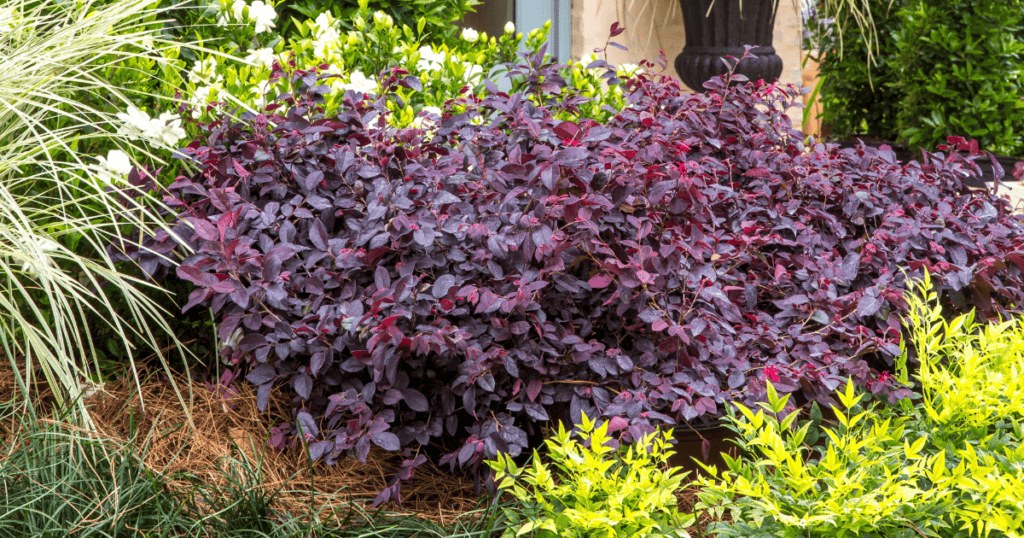
Red Diamond™ Loropetalum
Bursting into bloom in late winter with electric red fringe flowers, Red Diamond™ offers early nectar for pollinators while providing bold year-round foliage color. Its rich burgundy leaves stay vibrant all year, giving structure and color even when not in bloom.
Best for: Hedges, mixed borders, or as a vivid accent in pollinator pathways.
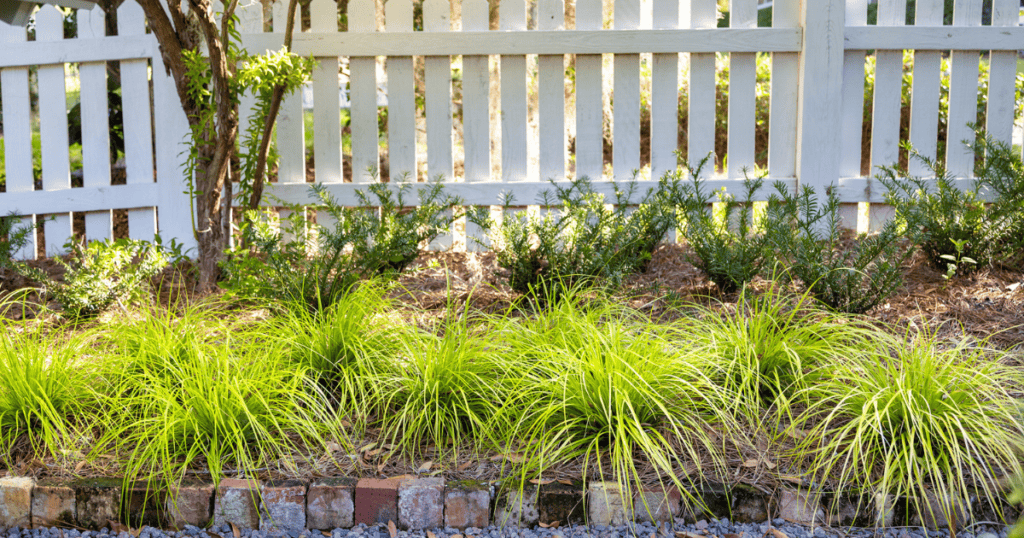
EverColor® Carex Series
While not a bloom source, colorful sedges like EverColor® ‘Everillo’ add glowing contrast and dense cover, helping support pollinator habitats. Use them alongside early bloomers to create visual and ecological balance in the garden.
Why Early Blooms Matter
Pollinators emerging from dormancy—like native bees, butterflies, and hummingbirds—need immediate access to food to survive. Early-blooming plants provide crucial nectar and pollen when other food sources are still scarce. Plus, early-season support helps pollinators establish strong populations for the months ahead, which means better pollination for your garden through spring and summer.
Designing a Pollinator-Friendly Spring Start
To build an early-season pollinator haven:
- Layer in flowering times: Combine shrubs, perennials, and groundcovers that bloom from late winter into early spring.
- Add native or adapted selections: Choose plants that thrive in your Sunset Climate Zone for maximum impact.
- Avoid chemical sprays: Especially during bloom time, to protect beneficial insects.
Get a Jump on Pollinator Season
With just a few early-blooming additions, your garden can become a critical first stop for pollinators—and a feast for your eyes. Plant now and enjoy a head start on a season full of life, color, and movement.