
Bees, butterflies, hummingbirds, and other beneficial visitors help move pollen from flower to flower, supporting plant reproduction, seed production, and overall garden health. A well-planted pollinator garden gives these visitors reliable nectar sources while adding more movement, seasonal interest, and purpose to sunny outdoor spaces.
The strongest pollinator plantings include variety. Different pollinators are drawn to different flower shapes, colors, and bloom times, so a mixed planting can support more activity throughout the growing season. Tubular flowers are especially useful for attracting hummingbirds, while open, accessible blooms can support bees and butterflies. By combining several flower forms, layered heights, and strong seasonal color, you can create a garden that is both beautiful and beneficial.
Explore the collection to find pollinator-friendly plants for your space, then use the garden center locator tool to locate a retailer near you!
7 Pollinator-Friendly Plants
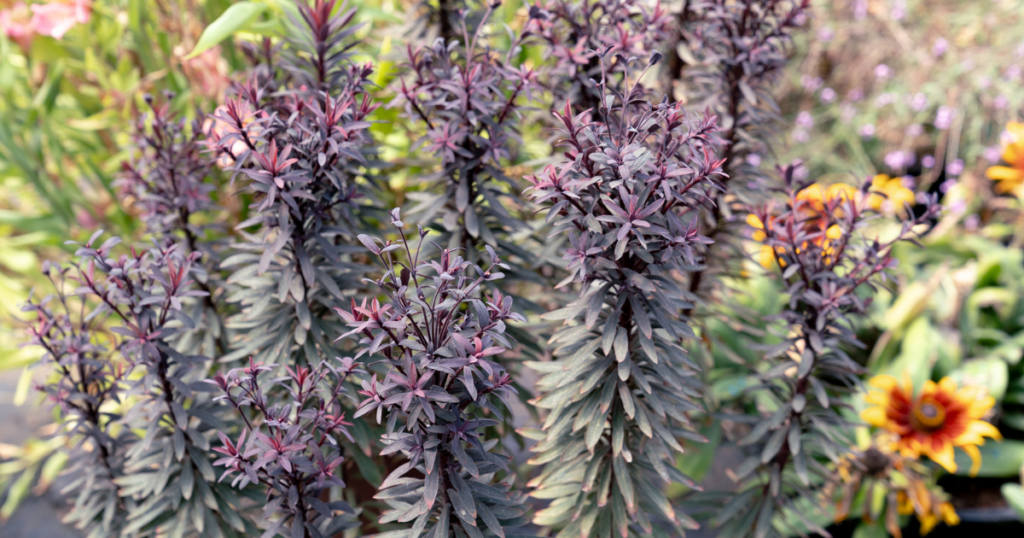
‘Miner’s Merlot’ Euphorbia
Miner’s Merlot brings rich foliage color and early-season interest to pollinator-friendly plantings. Its dark wine-red new foliage creates contrast in the garden, while lime-green flowers add a bright seasonal accent that may attract bees and other small beneficial insects when in bloom.
Growing 24 to 36 inches tall and wide, ‘Miner’s Merlot’ works well as an accent, border plant, or container selection. It performs in full sun to part shade and offers practical garden benefits like fast growth, heat tolerance, and deer resistance.
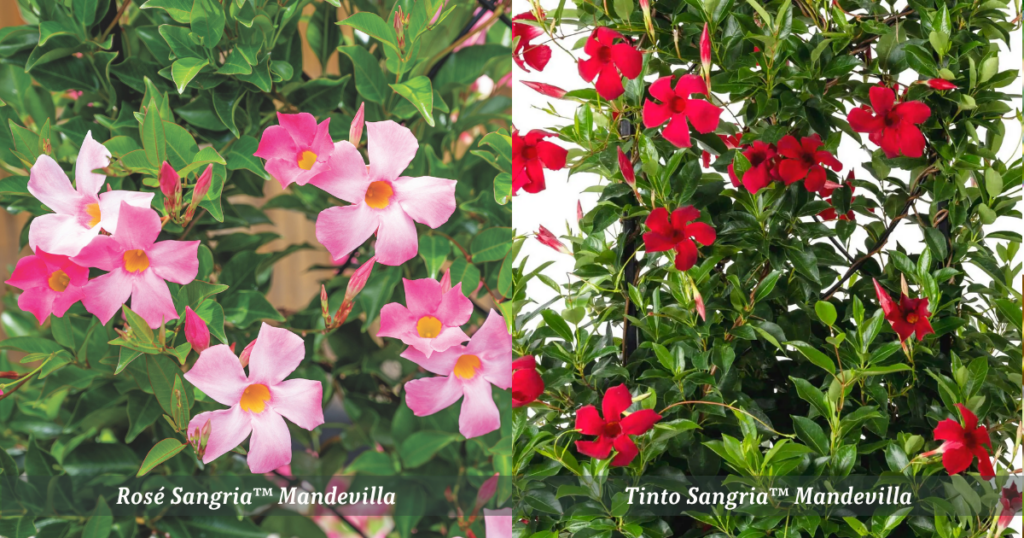
Mandevilla Rosé Sangria™ and Mandevilla Tinto Sangria™
Rosé Sangria™ and Tinto Sangria™ bring bold, tropical color to sunny containers, patios, entryways, and trellises. Rosé offers vibrant pink blooms, while Tinto adds deep red flowers for a richer, more dramatic look.
Both varieties have trumpet-shaped blooms that are especially appealing to hummingbirds, which are drawn to tubular flowers in bright shades of pink, red, and orange. Butterflies may also visit the flowers for nectar, making these mandevillas strong choices for adding vertical color and pollinator activity to warm-season plantings.
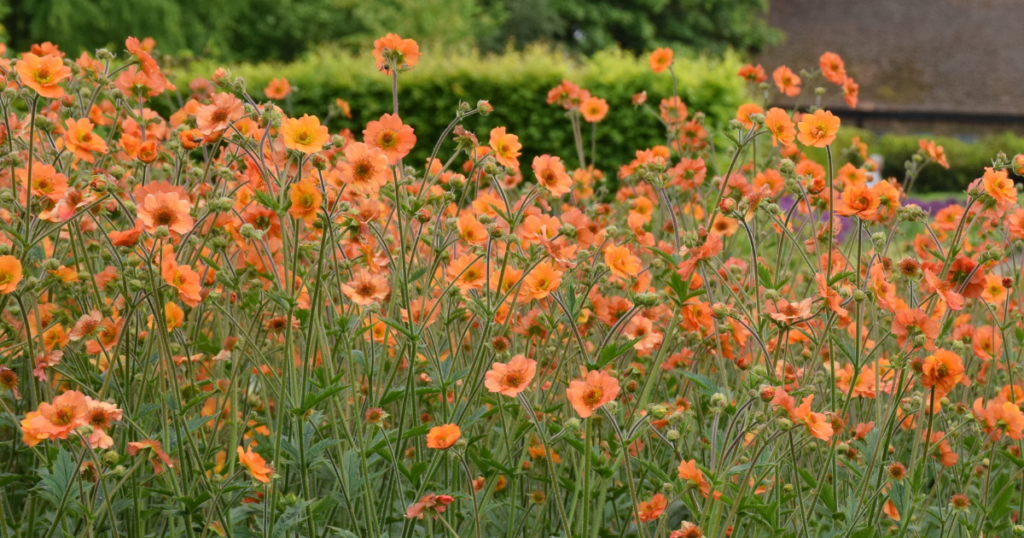
‘Totally Tangerine’ Geum
‘Totally Tangerine’ is a compact, long-blooming perennial with bright tangerine flowers from summer through fall. Its open blooms attract pollinators and are also useful as cut flowers, making it a strong choice for gardeners who want color that works both in the landscape and in fresh arrangements.
Growing 14 to 18 inches tall and about 18 inches wide, ‘Totally Tangerine’ fits easily into borders, containers, cottage-style plantings, mass plantings, and rock gardens. It performs best in full coastal sun to part shade in hotter climates and offers several practical benefits, including deer resistance, easy care, water-wise performance, and reliable perennial growth year after year.
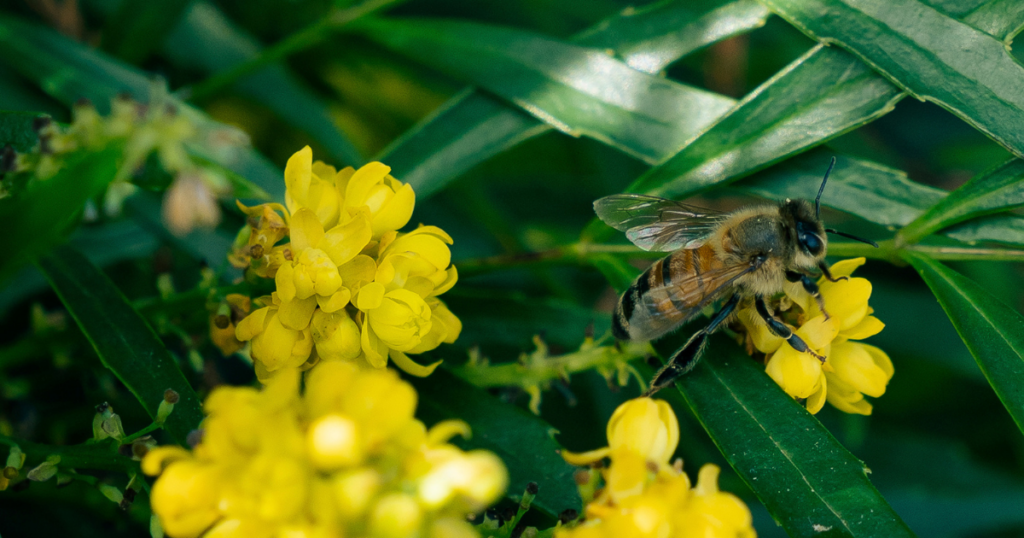
‘Soft Caress’ Mahonia
‘Soft Caress’ adds texture, evergreen structure, and late-season interest to pollinator-friendly gardens. Its soft, narrow foliage has a graceful look that works well in shaded borders, foundation plantings, and containers, offering contrast alongside bolder leaves and brighter blooms.
While many pollinator plants are associated with sunny spaces, Soft Caress is especially useful because it can support pollinators in part shade. Its bright yellow flowers bloom in fall to winter, providing a valuable nectar source during a time when fewer plants are in flower. Bees and other beneficial insects may visit the blooms on mild days, making it a smart addition for extending pollinator value beyond the main growing season.
Use Soft Caress in protected shade gardens, entryway containers, or mixed borders where its evergreen foliage can provide year-round structure. Pair it with seasonal color, shade-tolerant perennials, or container plantings to create a garden that feels polished while offering pollinator support during cooler months.
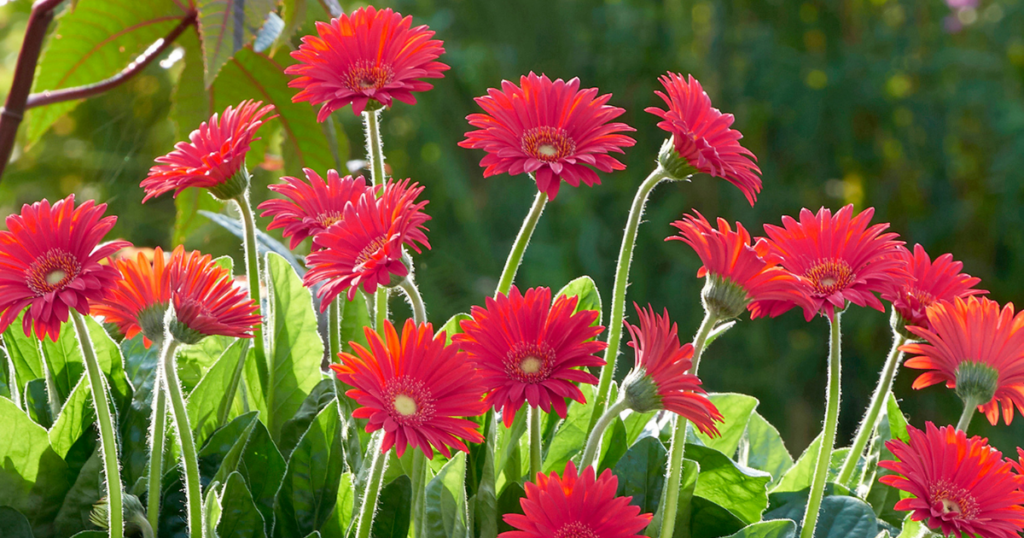
Garden Jewels™ Red Gerbera Daisy
With its open bloom shape, Red Gerbera Daisies make it easier for bees and butterflies to access nectar and pollen. It grows at a moderate rate and performs best in well-drained garden soil with medium water. Feed from spring to fall to support continuous blooming, and enjoy its low-maintenance habit with no pruning needed. Use it near walkways, patios, or outdoor living spaces where the bold flowers can be enjoyed up close, or cut stems for fresh arrangements throughout the season.
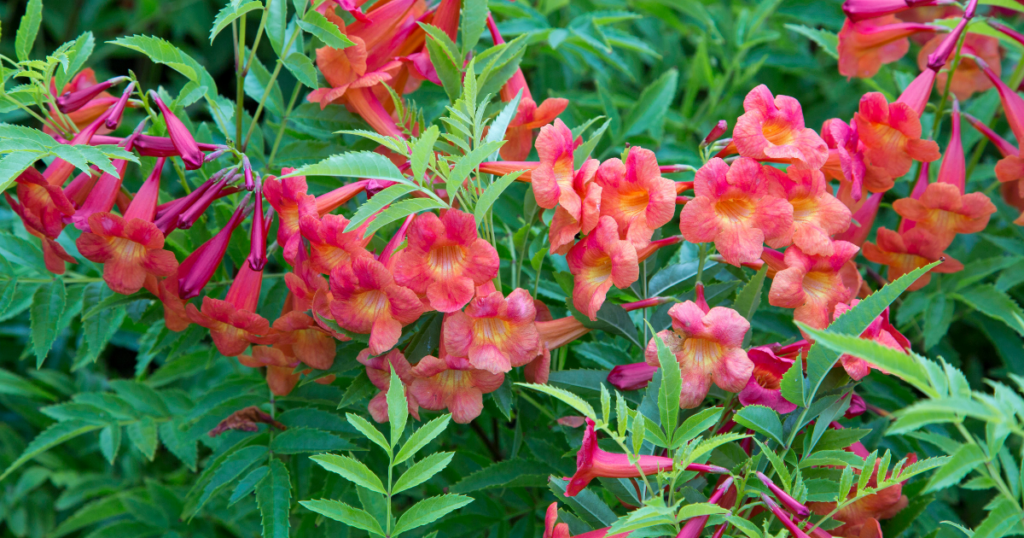
Bells of Fire™ Tecoma
Growing 3 to 5 feet tall and 3 to 4 feet wide, Bells of Fire brings bold orange-red color, evergreen structure, and a long bloom season to pollinator-friendly plantings. Its trumpet-shaped flowers bloom early and continue until frost, providing a steady nectar source for hummingbirds and adding high-impact color from spring through fall.
Use Bells of Fire in a hummingbird-friendly border, near outdoor living spaces, or as a colorful anchor in large containers. Pair it with softer perennials, burgundy foliage, ornamental grasses, or lower-growing bloomers like ‘Totally Tangerine’ and Red Gerbera Daisy for a layered planting.
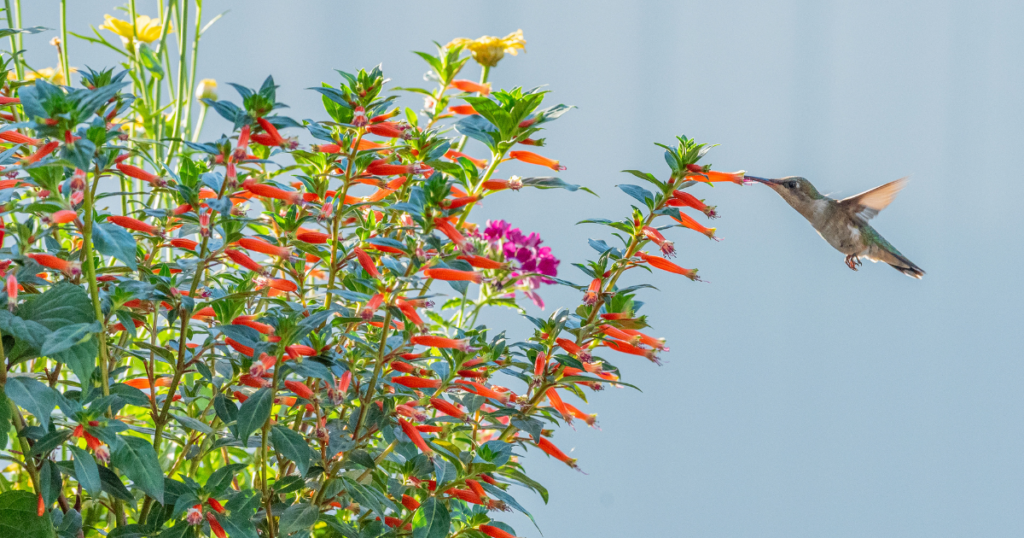
Hummingbird’s Lunch Cuphea
Hummingbird’s Lunch is a standout choice for attracting hummingbirds naturally, without relying on feeders. Its bright cherry red, two-toned tubular flowers are perfectly suited to the way hummingbirds feed, making this plant an all-natural nectar source in sunny borders, containers, garden beds, and patio plantings.
This fast-growing evergreen reaches 24 to 32 inches tall and 24 to 26 inches wide, giving it enough presence to work as an accent while still fitting comfortably into smaller spaces. It blooms from spring through fall and can flower nearly year-round in frost-free climates, providing long-lasting color and steady pollinator appeal.
Use it near windows, patios, porches, or seating areas where hummingbird visits can be enjoyed up close. For a colorful pollinator combination, pair Hummingbird’s Lunch with Rosé Sangria or Tinto Sangria Mandevilla for height, Red Gerbera Daisies for a bold pop of color, or ‘Totally Tangerine’ for a softer look.
Design Tips for a Pollinator-Friendly Garden
A strong pollinator garden should offer food, shelter, and easy access. The goal is to create a planting that has flowers available across the season, gives different pollinators the bloom shapes they prefer, and still fits the way you use your space.
- Start with bloom timing. Choose plants that flower at different points in the year so pollinators have a more reliable food source. ‘Soft Caress’ helps extend interest into fall and winter with yellow blooms, while Red Gerbera Daisies, Bells of Fire, Hummingbird’s Lunch, mandevilla, and ‘Totally Tangerine’ help carry color through the warmer months.
- Use flower shape as a guide. Hummingbirds are especially drawn to tubular flowers, so place Bells of Fire, Hummingbird’s Lunch, and mandevilla where their visits are easy to enjoy, such as near patios, porches, windows, or seating areas. For bees and butterflies, include more open blooms like Geum ‘Totally Tangerine’ and Red Gerbera, where nectar and pollen are easier to access.
- Group plants instead of spacing them one by one. A cluster of three or more of the same plant is easier for pollinators to find and gives the garden a stronger visual rhythm. Try repeating Geum ‘Totally Tangerine’ along a border, planting Red Gerbera in container groupings, or using several Hummingbird’s Lunch plants near a patio edge.
- Leave some room for shelter. Pollinators need more than flowers, so include nearby shrubs, grasses, or evergreen plants where they can rest and take cover. Even a small container garden can be more useful when it is placed near a protected wall, fence, hedge, or mixed planting.
More Ways to Support Pollinators
Choosing the right plants is an important first step, but a pollinator-friendly garden also depends on how the space is planted and maintained. A few simple choices can make the garden more useful for bees, butterflies, hummingbirds, and other beneficial visitors throughout the season.
- Add native plants where possible. Native plants are especially valuable because many local pollinators have adapted to use them for food, shelter, or host plants. To find plants native to your area, check with your local extension office, native plant society, botanical garden, or reputable regional plant database.
- You can also ask your local garden center for regionally appropriate native plants that pair well with the flowers and foliage already in your garden.
- Avoid using pesticides when pollinators are active. If pest control is needed, start with natural or low-impact methods and use targeted treatments only when necessary. Keeping treatments away from open flowers can help reduce risk to visiting pollinators.
- Add simple habitat features. A shallow water source, nearby shrubs for shelter, and a few undisturbed areas can make the garden more welcoming. Even in a patio or container garden, placing pollinator-friendly plants near seating areas, walls, or protected corners can help create a more useful stop for visiting wildlife.
Build a Garden with Color, Purpose, and Pollinator Appeal
The best pollinator gardens balance beauty with function. By choosing plants with different flower shapes, colors, heights, and bloom times, you can create a planting that supports beneficial visitors while adding lasting color and structure to your outdoor space.
Whether you are refreshing a patio container, adding more life to a sunny border, or building a full pollinator-friendly garden, these Sunset Plant Collection favorites make it easy to start with plants that offer strong pollinator value.
Browse these pollinator-friendly plants and more online and use our garden center locator to find a retailer near you!