
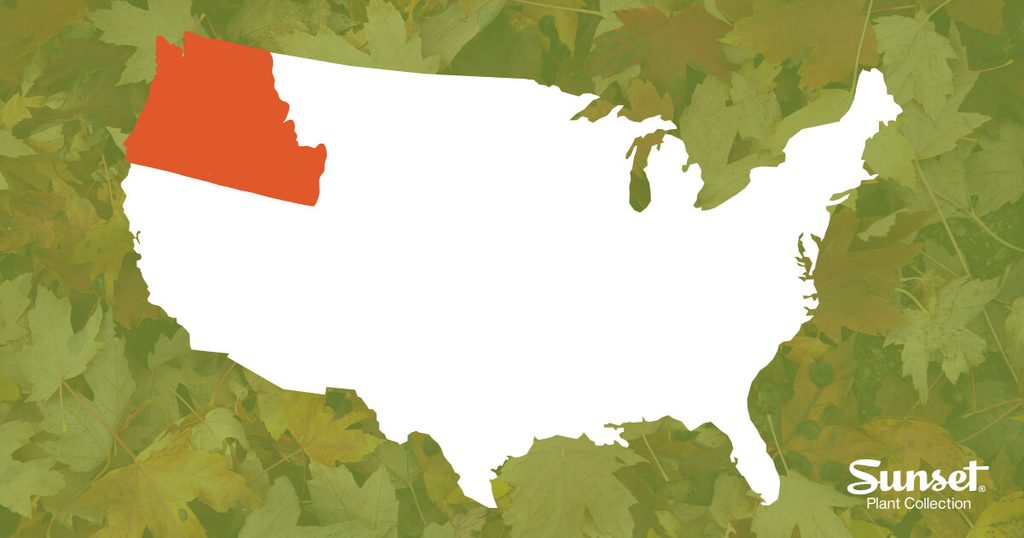
Fall brings an opportunity to establish new plants across the Pacific Northwest, but the best approach depends on where you garden. From the rainy landscapes of western Oregon and Washington to the drier inland valleys and colder mountain regions of Idaho, fall planting conditions can vary considerably.
Cooler temperatures can make it easier for shrubs and perennials to begin establishing before winter, provided the soil is workable and there is enough time for roots to develop. The key is choosing plants suited to your local growing conditions and preparing for the challenges of the season ahead.
Whether you’re adding evergreen structure, brightening a shaded border, or introducing more flowers to your landscape, this Pacific Northwest fall planting guide covers when to plant, which varieties to consider, and how to help them get established.
When Is the Best Time to Plant in the Pacific Northwest?
Early fall is generally a favorable time for planting shrubs and perennials throughout much of the Pacific Northwest. However, the ideal timing differs significantly across Oregon, Washington, and Idaho. In milder areas west of the Cascades, planting can often continue later into the season. In colder inland locations, planting earlier gives roots more time to establish before freezing temperatures arrive.
- Idaho: Early fall is generally preferable, especially in colder or higher-elevation areas. In milder valleys, such as parts of southwestern Idaho, planting may remain possible later when soil and weather conditions are favorable. In mountain communities, early freezes can shorten the season considerably.
- Western Oregon and Washington: September and October often provide favorable planting conditions. In milder locations with well-drained soil, planting may continue into November. Some hardy trees and shrubs can also be planted during mild winter periods when the soil is workable and not waterlogged.
- Eastern Oregon and Washington: Hot summers and colder winters can create a shorter fall planting window. Aim to plant after intense summer heat eases but before the ground begins freezing.
Know Your Pacific Northwest Planting Zone
The Pacific Northwest includes a remarkable range of growing climates. A mild coastal garden in Oregon may have very different conditions from a landscape in Boise, Spokane, or the Idaho mountains. Before choosing plants, check both your Sunset Climate Zone and USDA Hardiness Zone.
Sunset Climate Zones account for regional growing conditions, including seasonal temperatures, geographic influences, and growing-season characteristics. They’re particularly useful for distinguishing between the Pacific Northwest’s coastal, valley, and inland climates.
USDA Hardiness Zones are based on average annual extreme minimum temperatures and help determine whether a plant can tolerate the winter cold in your area.
For gardeners in Idaho and colder inland locations, winter hardiness deserves particular attention. A plant that thrives near Portland or Seattle may not tolerate the lower temperatures experienced farther inland.
Seven Fall Garden Plants for the Pacific Northwest
Fall is an opportunity to add plants that provide interest beyond the summer growing season. Evergreen shrubs can offer structure through winter, colorful foliage can brighten garden beds, and flowering varieties bring seasonal color.
The following Sunset Plant Collection selections offer different options for Pacific Northwest landscapes. Not every variety is suitable for the entire region, so use the listed growing zones and conditions to determine which plants are appropriate for your garden.
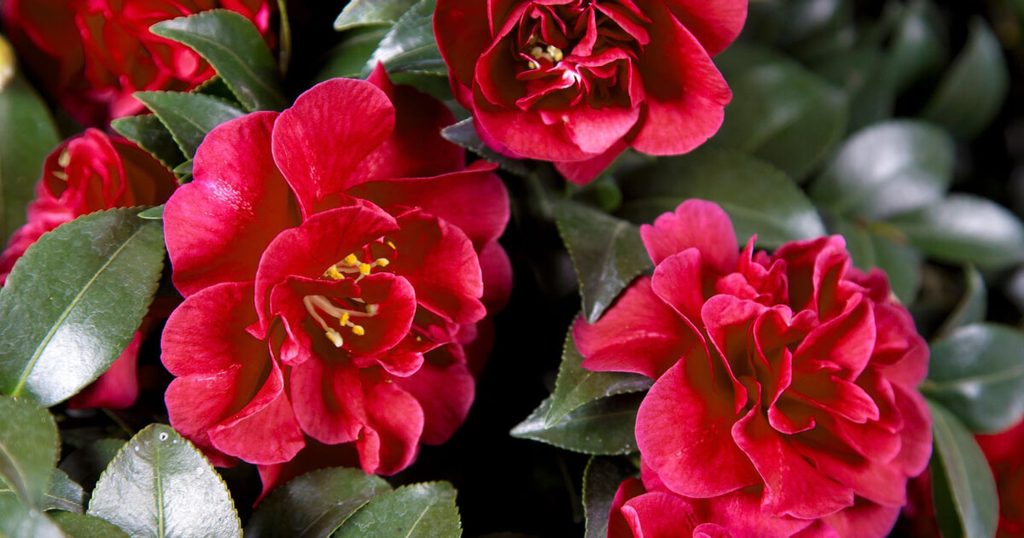
October Magic® Ruby™ Camellia
When many summer flowers are fading, October Magic Ruby Camellia brings color to the garden with brilliant red, double peony-form flowers in fall. Its glossy, dark green evergreen foliage provides year-round structure, while its naturally rounded habit makes it useful near entryways, in mixed shrub borders, and as a flowering accent.
Ruby prefers well-drained soil rich in organic matter and performs in part sun to shade. In suitable Northwest gardens, it offers a way to bring flowers into the cooler season without sacrificing evergreen interest.
October Magic Ruby Camellia is best suited to milder Pacific Northwest gardens, particularly protected locations west of the Cascades. In colder inland areas near the edge of its hardiness range, choose a sheltered site and consider spring planting to allow more time for root establishment before winter.
- Sunset Climate Zones: 4–9, 12, 14–24
- USDA Hardiness Zones: 7–10
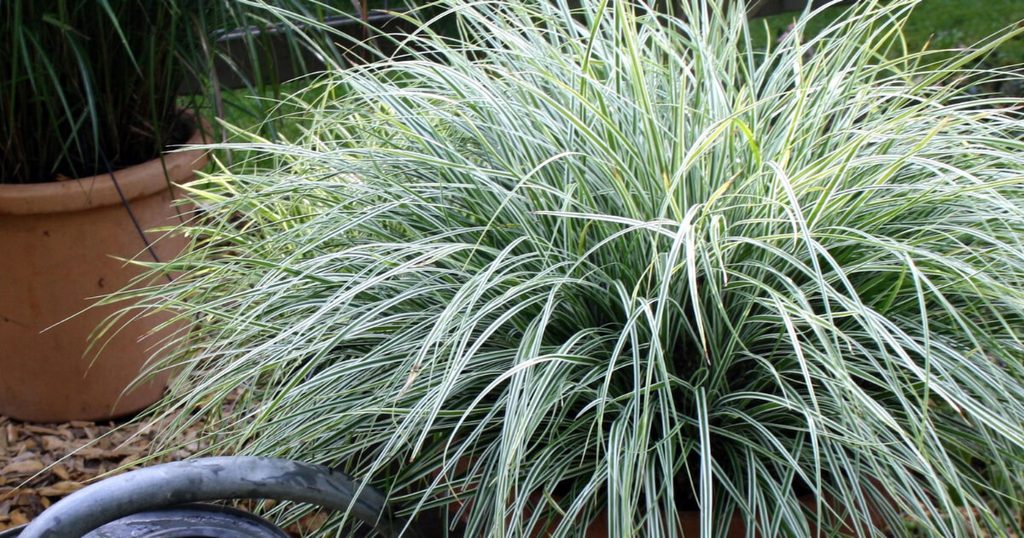
EverColor® ‘Everest’ Carex
If your garden has a partially shaded area that needs a little brightness, EverColor ‘Everest’ Carex offers attractive foliage throughout the year. Its narrow green leaves feature crisp white margins, creating a fresh contrast against darker shrubs and groundcovers. The compact, mounding habit makes it useful along pathways, at the front of borders, or in decorative containers.
Unlike plants that need direct sunlight to show their best color, ‘Everest’ is well suited to part sun or shade. It also works beautifully in groupings where a consistent band of foliage can help define a planting area.
- Sunset Climate Zones: 3–9, 14–24
- USDA Hardiness Zones: 5–10
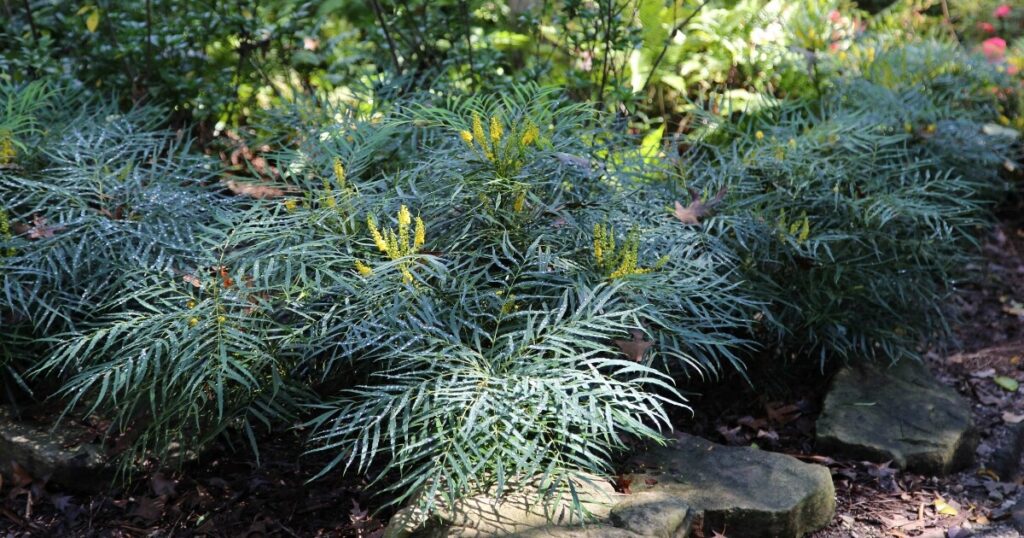
‘Soft Caress’ Mahonia
For a shade-loving evergreen that looks different from traditional broad-leaved shrubs, consider ‘Soft Caress’ Mahonia. Its narrow, delicate-looking foliage creates a soft, almost fern-like appearance without the sharp leaf edges associated with many other mahonias. Bright yellow flowers bring additional seasonal interest in fall.
Growing approximately 3 to 4 feet tall and wide, ‘Soft Caress’ works well in sheltered borders, foundation plantings, and containers. Its fine texture also provides an attractive contrast alongside plants with larger leaves.
‘Soft Caress’ Mahonia is best suited to milder Pacific Northwest gardens with well-drained soil and protection from harsh winter conditions. Its USDA Zone 7B hardiness rating makes it less reliable in colder inland locations, particularly when planted late in fall. Check your local hardiness zone and provide winter protection where appropriate.
- Sunset Climate Zones: 4–5 with protection; 6–9, 14–24
- USDA Hardiness Zones: 7B–10
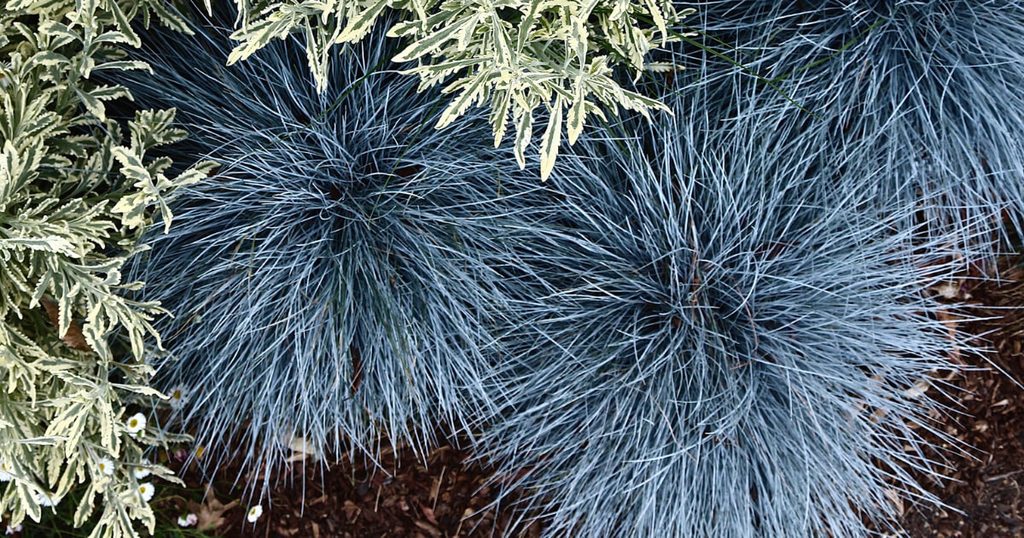
‘Beyond Blue’ Fescue
For a sunny area that needs contrast, ‘Beyond Blue’ Fescue offers distinctive powder-blue foliage in a compact, grass-like form. Its fine-textured leaves maintain their strong blue color through summer, bringing interest even when the plant isn’t flowering. Use it along a gravel pathway, in a rock garden, or in groups near the front of a mixed border.
Beyond Blue tolerates cold, heat, and relatively low-water conditions once established. However, good soil drainage is especially important in the Pacific Northwest. Avoid planting it in low areas that remain wet through winter.
- Sunset Climate Zones: 1–24
- USDA Hardiness Zones: 4–10
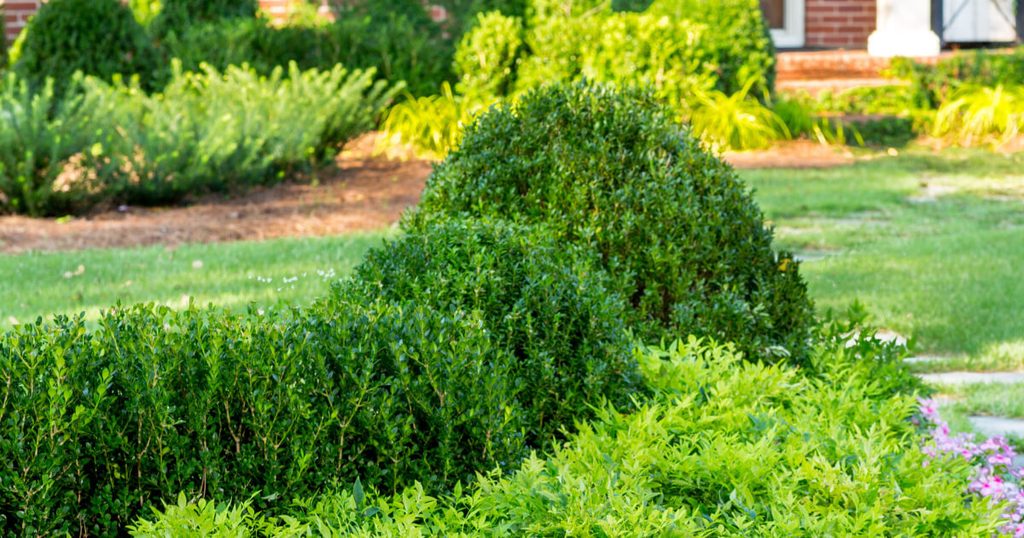
Baby Gem™ Boxwood
When winter arrives, evergreen shrubs help maintain the shape of a garden even after deciduous plants have lost their leaves. Baby Gem Boxwood offers dense green foliage and a compact growth habit that works well for creating defined planting areas. Use several plants to establish a low hedge, frame a walkway, or add structure to a mixed border. Its naturally tidy growth means it typically needs less frequent shaping than many traditional boxwoods.
In the wetter western Pacific Northwest, plant Baby Gem Boxwood in well-drained soil with adequate air circulation. Avoid overcrowding and prolonged leaf wetness, which can increase the risk of fungal diseases, including boxwood blight.
- Sunset Climate Zones: 3B, 4–26
- USDA Hardiness Zones: 5–10
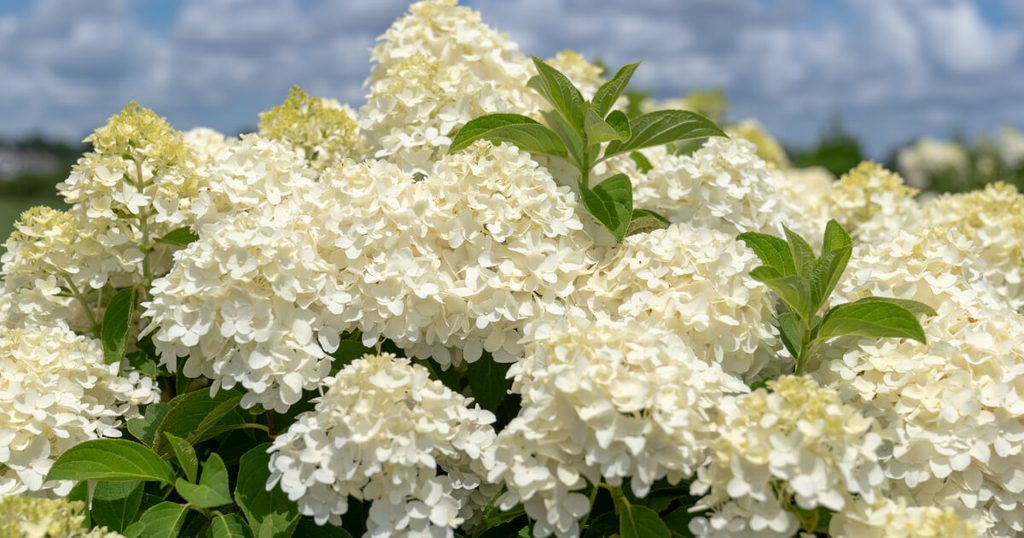
White Wedding® Hydrangea
For gardeners looking to add larger flowers to the landscape, White Wedding Hydrangea offers masses of white, cone-shaped blooms from midsummer into fall. Its sturdy stems help support the large flower clusters, while its naturally compact habit makes it easier to incorporate into garden beds than many larger panicle hydrangeas.
White Wedding is a deciduous shrub, meaning it loses its leaves during winter. Pairing it with evergreen plants can help maintain structure around it during the dormant season. In warmer inland Pacific Northwest gardens, provide consistent moisture during summer and consider a location with morning sun and some afternoon shade to help reduce heat stress.
- Sunset Climate Zones: 1–10, 14–24
- USDA Hardiness Zones: 4–10
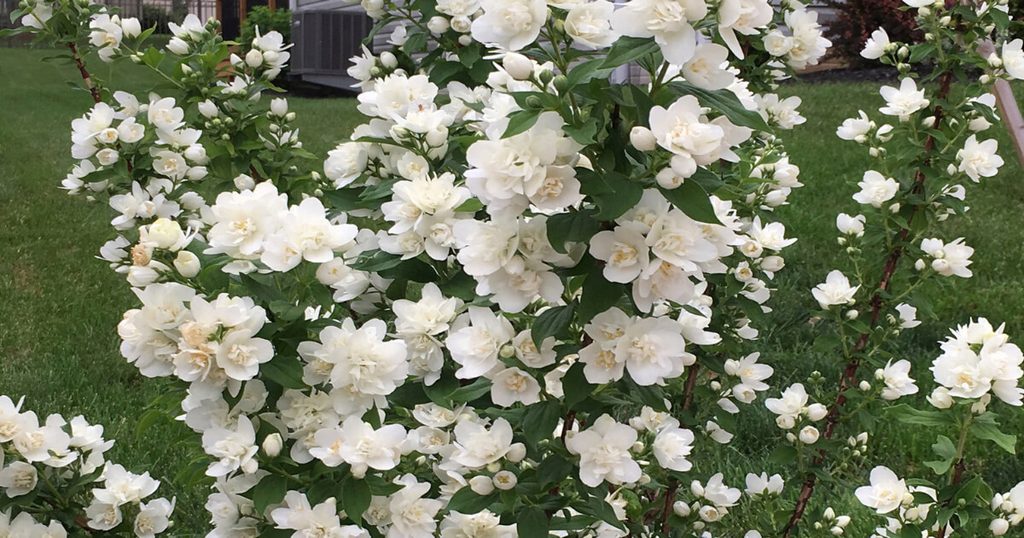
Pearls of Perfume™ Philadelphus
Few things make a garden more inviting than fragrance. Pearls of Perfume Philadelphus produces double white flowers with a citrus-like scent, blooming in spring, with additional flowers possible through fall. Its upright, compact habit makes it an attractive choice near patios, pathways, or seating areas where the fragrance can be enjoyed. It also works well in a mixed border alongside evergreen shrubs.
- Sunset Climate Zones: 2–24
- USDA Hardiness Zones: 5–10
How to Choose Plants for Pacific Northwest Gardens
While western Washington and Oregon share many growing conditions, individual gardens can differ significantly in sunlight, soil moisture, and exposure.
For Shady Gardens
Many Northwest gardens have areas shaded by mature trees, nearby buildings, or surrounding evergreens. Plants such as EverColor ‘Everest’ Carex and ‘Soft Caress’ Mahonia offer foliage interest in part shade to shade, making them useful where full-sun plants may struggle. October Magic Ruby Camellia is another option for suitable sites with part sun to shade. Choose a location with well-drained soil and enough room for its mature growth.
For Sunny, Well-Drained Areas
Open garden beds, slopes, and raised planting areas may offer suitable conditions for plants that prefer more sunlight and drainage. ‘Beyond Blue’ Fescue brings compact blue foliage to these spaces, while Baby Gem Boxwood provides evergreen structure in locations with appropriate exposure.
For Flowering Borders
A combination of flowering shrubs can provide interest at different times of year. White Wedding Hydrangea brings large white blooms in summer and into fall, while Pearls of Perfume Philadelphus provides fragrant spring flowers with repeat blooming possible later in the season.
How to Plant Shrubs and Perennials in Fall
Proper planting is especially important in the Pacific Northwest, where the transition into wetter weather can affect newly installed plants.
- Check Soil Drainage Before Digging: Soil conditions vary across the region. In wetter western gardens, avoid digging or working soil that is saturated. In drier inland locations, moisten extremely dry soil before planting so water can penetrate the root zone more easily.
- Choose the Right Planting Location: Check the plant’s light requirements, mature size, and growing zones. Avoid placing drainage-sensitive plants in areas that regularly remain waterlogged.
- Dig the Planting Hole: Dig a hole approximately twice as wide as the root ball and no deeper than necessary. Locate the root crown and position it at or slightly above the surrounding soil level, depending on the plant and drainage conditions. Avoid burying the crown or allowing the plant to settle too deeply.
- Backfill and Water Thoroughly: Remove the plant carefully from its nursery container, inspect the roots, and gently correct tightly circling roots when needed. Backfill with the excavated soil, lightly firming it around the roots. Water thoroughly after planting, allowing moisture to reach the original root ball and surrounding soil.
- Apply Mulch: Add approximately 1–2 inches of mulch around the planting area to help moderate soil temperature and protect the soil surface. Keep mulch away from stems and plant crowns to avoid trapping excess moisture.
Do Newly Planted Shrubs Need Water in the Pacific Northwest?
Yes. Even during fall, newly planted shrubs and perennials need adequate moisture while their roots begin establishing.
In western Oregon and Washington, late-summer and early-fall dry periods may require supplemental irrigation. Once consistent seasonal rainfall arrives, watering can often be reduced or stopped as soil conditions allow.
In eastern Oregon, eastern Washington, and Idaho, fall weather may remain relatively dry. Continue monitoring soil moisture and provide water as needed while temperatures remain suitable for watering.
After planting, water thoroughly and check moisture in the original nursery root ball and surrounding soil. The goal is to keep roots adequately moist without leaving them in saturated conditions. Adjust watering according to rainfall, soil drainage, temperature, and the individual plant rather than following a fixed schedule.
Protect Fall Plantings Through Pacific Northwest Winters
Winter conditions vary considerably across the Pacific Northwest. While western Oregon and Washington often experience prolonged rainfall and saturated soils, colder inland areas of Oregon, Washington, and Idaho face freezing temperatures, dry winter winds, and greater temperature fluctuations. Preparing new plants for these regional differences can help them establish successfully.
Western Oregon and Washington: Manage Winter Rainfall and Drainage
In wetter western gardens, proper drainage is essential for newly planted shrubs and perennials. Heavy clay, compacted soil, low-lying beds, and runoff from roofs or paved surfaces can create excessively wet conditions that stress roots.
Before planting, observe how water moves through your garden during rainfall. If water collects or soil remains saturated for extended periods, choose plants suited to those conditions or select a better-draining location. Drainage-sensitive varieties, such as ‘Beyond Blue’ Fescue, perform best in well-drained soil and may benefit from appropriately constructed raised planting beds.
Inland Oregon, Washington, and Idaho: Protect Against Winter Cold
In colder inland gardens, freezing temperatures and winter exposure require extra attention, especially for newly planted shrubs. Check each plant’s USDA Hardiness Zone and Sunset Climate Zone to confirm its suitability for your location.
Water new plants as needed before the ground freezes, and apply mulch around the root zone to help moderate soil temperatures. Keep mulch away from stems and plant crowns to prevent excess moisture buildup.
Container plants may need additional protection because their roots are more exposed to freezing temperatures. Move vulnerable containers to sheltered locations during severe cold. Less cold-tolerant evergreens, such as ‘Soft Caress’ Mahonia, also benefit from protected planting locations away from harsh winter winds, provided the local climate falls within their recommended hardiness range.
Across the region, avoid heavy late-season fertilizing that encourages tender new growth before winter. For the plants featured in this guide, routine fertilizing is generally best reserved for their recommended spring feeding period.
Make the Most of Pacific Northwest Fall Planting
Fall can be a rewarding time to establish new plants across Oregon, Washington, and Idaho, but the best results come from planning for your local climate. Whether you’re preparing for the wet winters of western Oregon and Washington or the colder, drier conditions of inland communities and Idaho, start by choosing plants suited to your growing zone, sunlight, soil, and water needs.
Explore the Sunset Plant Collection for more plants suited to your garden, or find a garden center near you when you’re ready to start planting.
Gardening elsewhere in the West?
Explore our What to Plant Across the West This Fall guide for additional regional planting recommendations.