
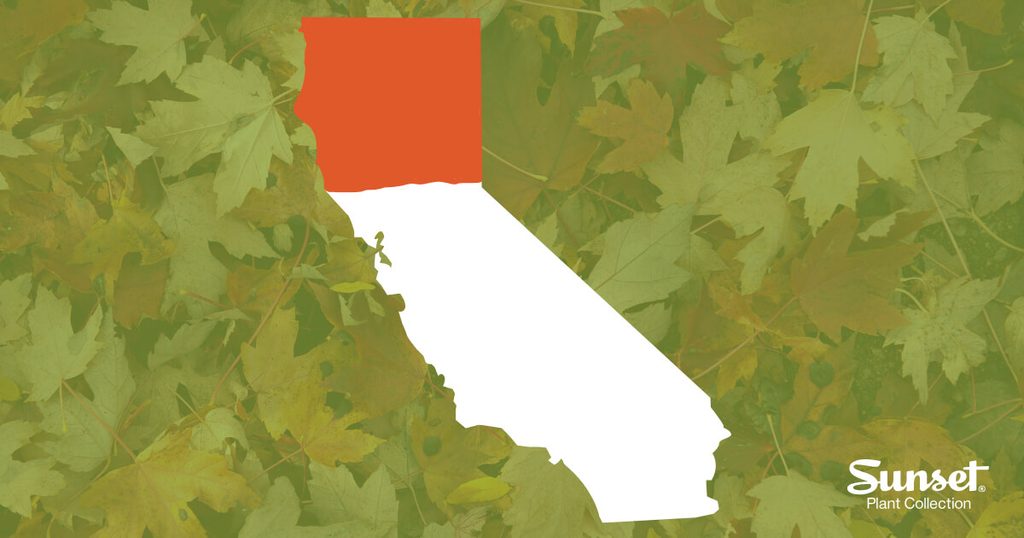
Fall brings a welcome change to Northern California gardens. As summer heat begins to ease and winter rain approaches, the cooler weather creates an opportunity to establish shrubs and perennials before the next dry season. Planting now can give roots time to develop while temperatures are more moderate.
But Northern California gardening varies considerably from one location to another. Coastal communities, inland valleys, and mountain foothills experience different temperatures, rainfall patterns, and growing conditions. Knowing what works in your particular climate is the key to making the most of fall planting season.
This Northern California fall planting guide covers when to plant, which varieties to consider, and how to prepare your landscape for the changing seasons.
When Is the Best Time to Plant in Northern California?
For many Northern California gardens, October through December is an excellent time to plant shrubs and perennials. In mild coastal areas, the planting window may extend into winter or early spring, while inland valleys often benefit from waiting until the intense heat of late summer has passed. September planting can also be successful when temperatures are moderate and supplemental irrigation is available. In colder foothill and mountain gardens, plant cold-hardy selections early enough to establish roots before prolonged freezing weather. Regardless of location, avoid planting when soil is saturated or frozen.
- Coastal areas: Mild temperatures often provide a longer planting window, but cool summers, coastal winds, and winter rainfall can influence plant selection.
- Inland valleys: Areas such as Sacramento and surrounding communities experience hotter summers and more pronounced seasonal changes. Wait until extreme heat subsides, then take advantage of the cooler weather for planting.
- Foothill and higher-elevation gardens: Winter cold and earlier frosts can shorten the planting window. Choose cold-hardy varieties and allow sufficient time for roots to begin establishing before winter.
Know Your Northern California Planting Zone
For the most reliable plant choices, check both your Sunset Climate Zone and USDA Plant Hardiness Zone. Sunset Zones consider broader regional growing conditions, including summer heat and coastal influence, while USDA Zones focus on average annual extreme minimum winter temperatures. Using both helps identify plants suited to your local climate, especially in areas with significant elevation changes or winter frost.
Six Fall Garden Plants for Northern California
Fall is a great opportunity to add lasting structure, foliage color, and seasonal interest to the landscape. These six Sunset Plant Collection varieties offer options for different garden sizes and growing conditions, from sunny, low-water beds to mixed borders and container plantings.
Northern California’s varied climates mean the best plant choices depend on your location. Gardeners in mild coastal and Bay Area settings may find success with selections such as ‘Cool Blue’ Ceanothus, ‘Little Miss Sunshine’ Cistus, and ‘Meerlo’ Lavender, provided their gardens offer suitable sunlight and drainage.
In hotter inland valleys, heat tolerance and summer irrigation needs become especially important, making varieties such as Platinum Beauty® Lomandra and ‘Little Miss Sunshine’ Cistus worth considering.
For colder foothill gardens, Beyond Blue™ Fescue offers greater cold tolerance than many of the other featured selections.
Always check the recommended Sunset Climate Zone and USDA Hardiness Zone for each plant before adding it to your garden.
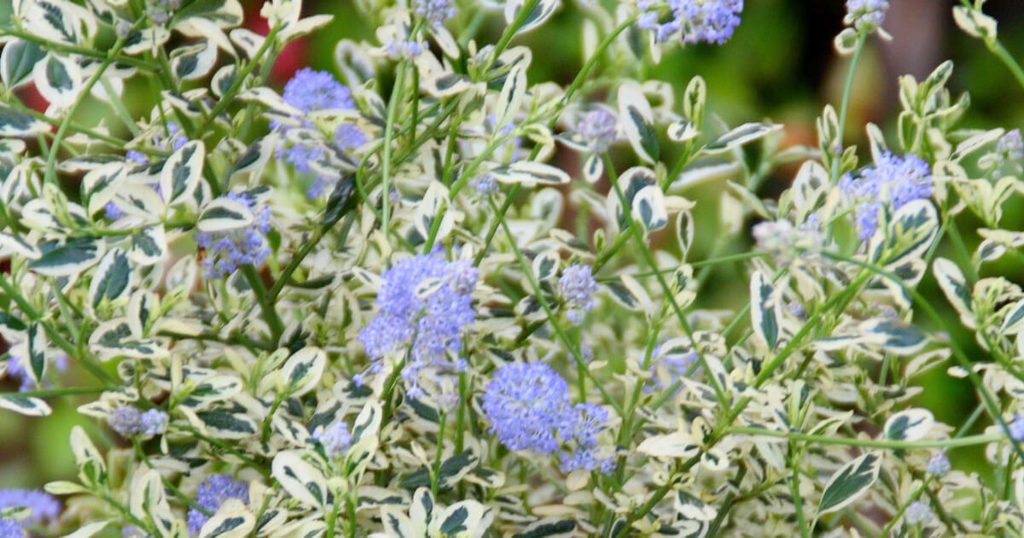
‘Cool Blue’ Ceanothus
For gardeners looking to incorporate a plant with West Coast roots, ‘Cool Blue’ Ceanothus is a natural place to start. This compact selection of a California native species features variegated evergreen foliage and pale blue flowers in spring. Its upright habit provides structure in mixed borders, while its flowers support visiting pollinators.
‘Cool Blue’ works well as an accent shrub, on slopes, or in sunny planting beds where its foliage can be appreciated throughout the year. Once established, it has low water needs and tolerates coastal conditions.
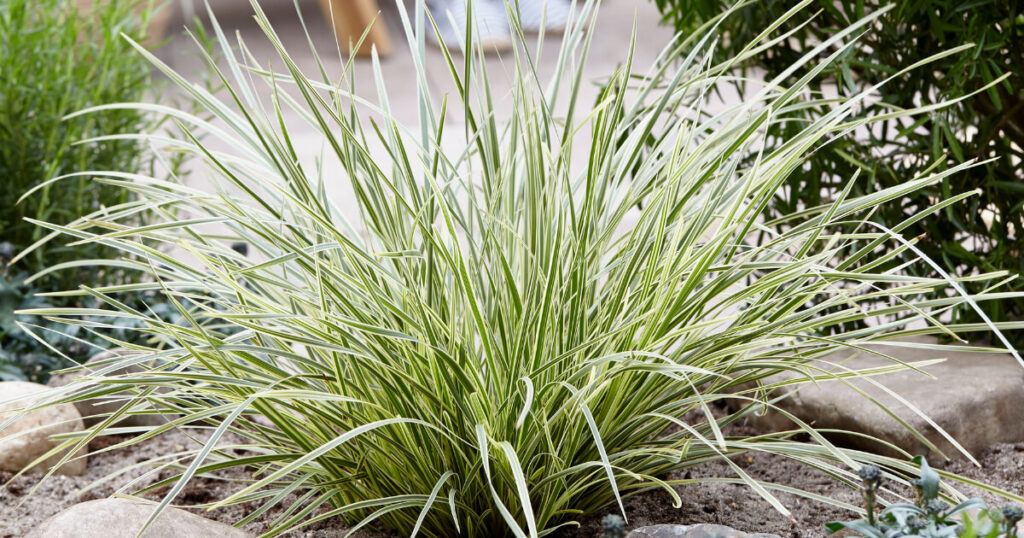
Platinum Beauty® Lomandra
If your garden needs foliage that adds movement and contrast, Platinum Beauty Lomandra offers an attractive alternative to traditional ornamental grasses. Its long, arching green leaves feature narrow white stripes, creating a soft appearance that works beautifully alongside upright shrubs, gravel pathways, and broad-leaved plants.
Platinum Beauty tolerates heat, salt spray, and a relatively wide range of soil conditions. It also requires little water once established, making it a versatile option in appropriate Northern California climates.
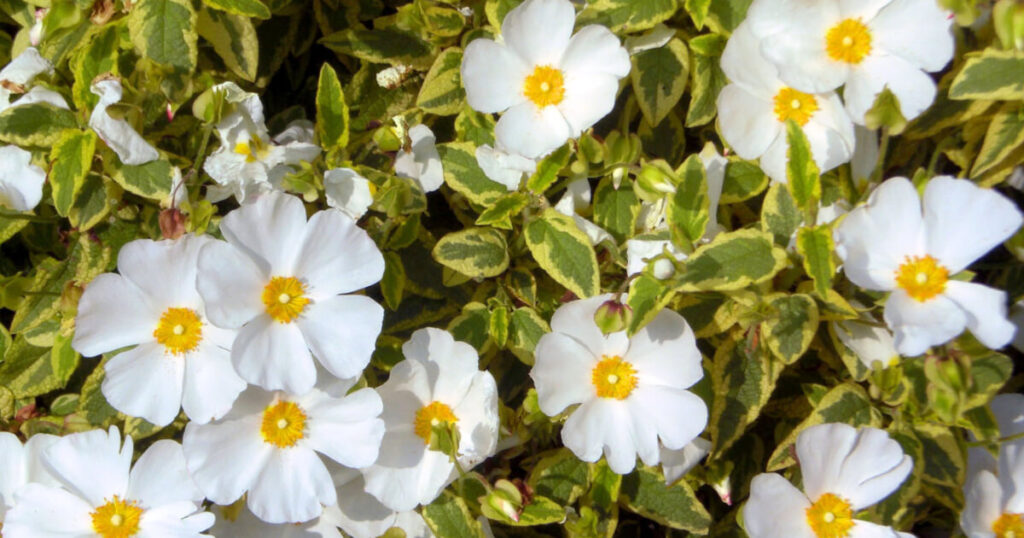
‘Little Miss Sunshine’ Cistus
For a sunny planting area that needs colorful foliage without demanding frequent watering, consider ‘Little Miss Sunshine’ Cistus. This compact evergreen shrub features bright, variegated foliage that provides interest throughout the year. Pure white flowers appear in spring, adding another layer of seasonal appeal.
Its smaller size makes it particularly useful at the front of borders, in rock gardens, or among other low-growing plants. Once established, it tolerates dry conditions, heat, wind, and coastal exposure.
‘Meerlo’ Lavender
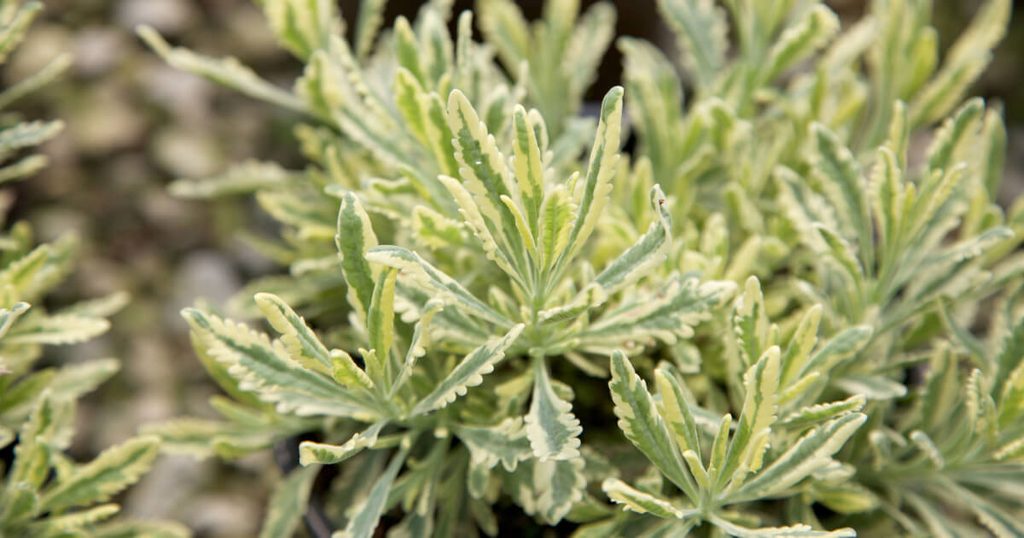
Lavender is a favorite for sunny California gardens, and ‘Meerlo’ Lavender offers something distinctive beyond its flowers. Its highly fragrant, variegated foliage brings color and texture to the landscape, while pale blue blooms appear in summer. Plant it near a walkway, patio, or seating area where its aromatic leaves can be appreciated.
‘Meerlo’ is heat-tolerant and water-wise once established, but its relatively limited cold tolerance makes careful site selection especially important in Northern California.
Ever Amethyst™ Agapanthus
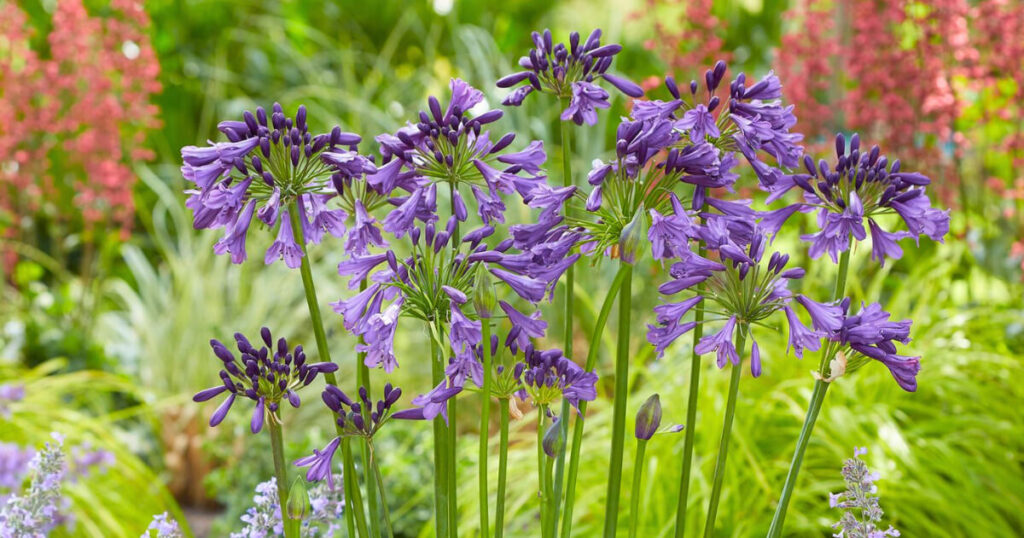
For gardeners who want a splash of color among evergreen foliage, Ever Amethyst Agapanthus produces multiple stalks of rich purple flowers. Its semi-dwarf habit makes it useful in mixed borders, containers, and repeated groupings without overwhelming smaller garden spaces. The upright flowers contrast beautifully with the arching foliage of lomandra or the finer texture of ornamental grasses.
Ever Amethyst has low water needs once established and performs in full sun to partial shade.
Beyond Blue™ Fescue
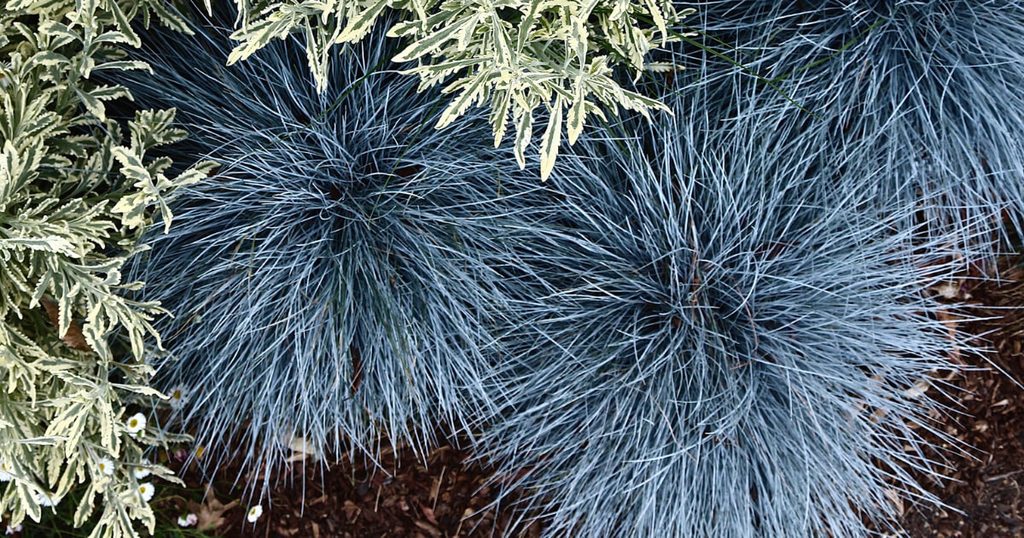
If your garden needs a compact plant with distinctive foliage, Beyond Blue Fescue brings a soft, powder-blue color to sunny borders and planting beds. Unlike many blue fescues that lose some of their color during summer, Beyond Blue is selected for retaining its intense blue foliage throughout the season.
Its fine texture is especially attractive alongside gravel paths, natural stone, and broad-leaved evergreen shrubs. Use it in small groupings or along the front of a mixed border for a consistent band of color.
How to Choose Plants for Coastal, Inland, and Foothill Gardens
Northern California’s varied geography means the same plant can experience very different conditions depending on where it’s grown.
Coastal Northern California
Coastal Northern California gardens often benefit from relatively mild temperatures, but growing conditions vary considerably. Foggy areas along the North Coast and exposed shoreline locations can experience cool summers, persistent moisture, coastal winds, and salt spray. Protected Bay Area gardens may receive considerably more sunshine and warmth. Choose plants suited to your site’s sun exposure, wind conditions, and winter drainage. In especially foggy or damp gardens, provide good air circulation and well-drained soil for Mediterranean-climate plants such as lavender and cistus.
Sacramento Valley and Other Inland Gardens
Inland gardens often experience hot, dry summers followed by cooler, wetter winters. The contrast between these seasons makes thoughtful plant selection particularly important. Use fall to address planting areas that struggled during summer. Consider afternoon sun, reflected heat from hard surfaces, and whether plants with similar water needs can be grouped together.
Pay particular attention to soil drainage in areas with heavy clay, which may stay wet for extended periods during winter. Drought-tolerant plants such as ceanothus, lavender, and cistus need well-drained root zones even though they tolerate dry summer conditions. Raised or mounded planting areas may be helpful where winter drainage is poor.
Foothill and Colder Inland Gardens
Foothill and higher-elevation gardens can experience earlier frosts, colder winter temperatures, and, in some locations, snow. Choose plants based on your specific Sunset Climate Zone and USDA Hardiness Zone rather than elevation alone. Cold-hardy selections such as Beyond Blue Fescue offer greater flexibility, while tender plants like ‘Meerlo’ Lavender are better suited to mild, protected locations. Plant early enough for roots to begin establishing before persistent cold weather, and avoid working soil that is frozen or saturated.
How to Plant Shrubs and Perennials in Fall
- Choose a Suitable Location: Check each plant’s sunlight, spacing, and drainage requirements before digging. Allow enough room for its mature width, especially when planting shrubs along pathways or near structures.
- Prepare the Planting Hole: Dig a hole approximately as deep as the root ball and wider than the nursery container. Avoid planting too deeply. The top of the root ball should generally sit level with the surrounding soil or slightly above it where drainage conditions warrant.
- Check the Roots and Backfill: Remove the plant carefully from its container and inspect the root system. Gently loosen or correct tightly circling roots when necessary. Place the plant in the hole, backfill with the excavated soil, and lightly firm it to eliminate large air pockets.
- Water Thoroughly: Water immediately after planting, making sure the original root ball and the surrounding soil are adequately moistened.
- Apply Mulch: Add approximately 1–2 inches of mulch around the planting area to help moderate soil temperature and reduce evaporation. Keep mulch away from stems and plant crowns.
Keep New Plants Watered Until Winter Rain Takes Over
Northern California’s rainy season can reduce the need for irrigation, but newly planted shrubs and perennials still need attention while their roots establish. Even drought-tolerant plants require adequate moisture during this period.
After planting, water thoroughly and check the moisture within the original nursery root ball during dry stretches. Surrounding soil may feel moist even when the root ball itself is drying out, and light rainfall may not fully moisten the root ball. Adjust watering based on soil conditions, weather, and the individual plant rather than relying on a fixed schedule.
Once winter rains consistently meet the plant’s moisture needs, reduce supplemental irrigation to prevent waterlogged conditions. Keep in mind that new plants may still need supplemental watering through their first dry season and sometimes longer, even when labeled drought-tolerant. For plants such as ceanothus, lavender, and cistus, allow the root zone to dry appropriately between waterings.
Prepare Your Garden for Winter Rain
One of the most important considerations for fall planting in Northern California is how well your soil drains during winter. After months of dry summer weather, it can be easy to overlook planting areas that become saturated when the rainy season begins.
Before installing new shrubs or perennials, check for low spots, heavy clay soil, and areas where roof or pavement runoff collects. This is especially important for plants such as ‘Cool Blue’ Ceanothus, ‘Meerlo’ Lavender, and ‘Little Miss Sunshine’ Cistus, which prefer well-drained conditions.
Make the Most of Northern California’s Fall Planting Season
Fall offers Northern California gardeners an opportunity to establish new plants between the challenges of summer heat and winter weather. Whether you’re planning a water-wise border, adding evergreen foliage, or bringing more flowers into the landscape, choosing plants suited to your location can make a lasting difference.
Explore the Sunset Plant Collection for more plant inspiration, or find a garden center near you to get started.
Gardening elsewhere in the West?
Explore our What to Plant Across the West This Fall guide for additional regional planting recommendations.