
As summer settles across the West, the garden begins to reveal which plants are truly suited to the season. Delicate spring performers may slow down under intense sun, while heat-ready plants continue to provide color, texture, and movement.
The key to a resilient summer landscape is choosing plants for both climate and location. By combining evergreen shrubs, long-blooming perennials, and water-wise succulents, you can create a layered garden that looks lively throughout the hottest months. These five selections from the Sunset Plant Collection offer a beautiful place to begin.
Brighten the Landscape with Miss Lemon™ Abelia
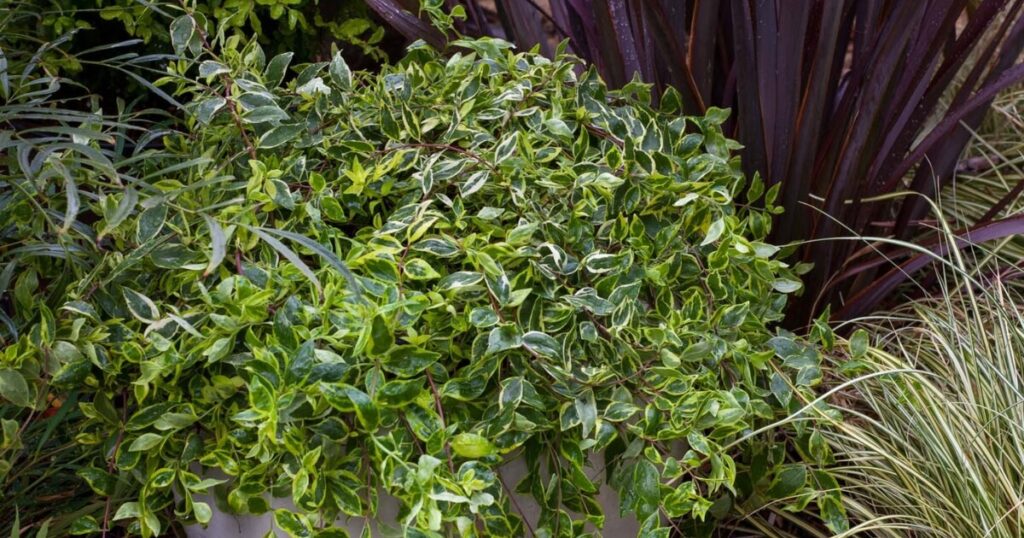
When summer flowers become less abundant, colorful foliage can keep the garden looking fresh. Miss Lemon brings a luminous quality to borders, foundation plantings, and containers with variegated leaves that emerge yellow and green before maturing to ivory and green.
Small flowers appear from summer into fall, adding another layer of seasonal interest while attracting pollinators. This evergreen shrub reaches approximately 3 to 4 feet tall and 4 feet wide, making it easy to incorporate into mixed beds or use as a low hedge.
In coastal areas, Miss Lemon can grow in full sun. In hotter inland climates, give it some afternoon protection or dappled shade to help its foliage look its best. Once established, it has low water needs.
Add Four-Season Color with ‘Kaleidoscope’ Abelia
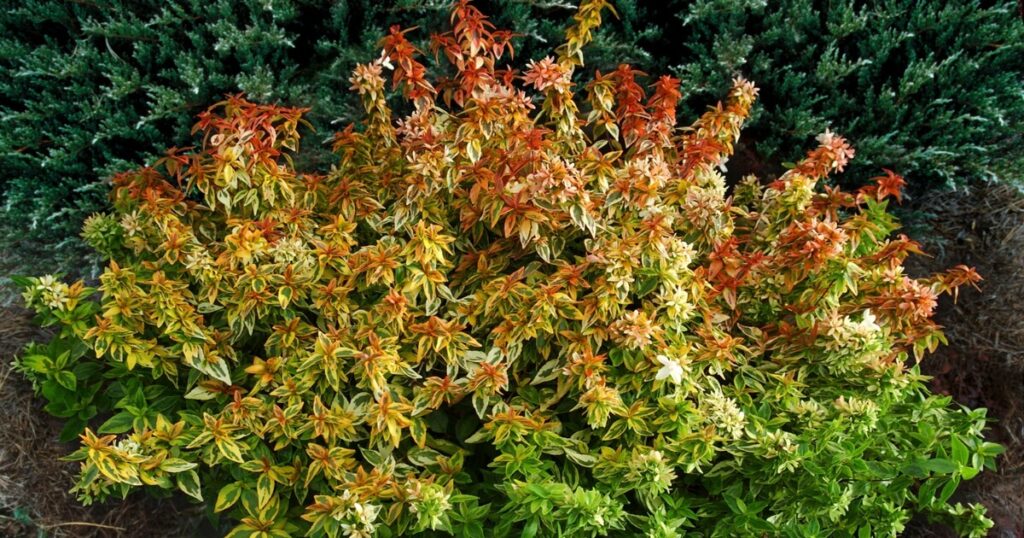
Few plants illustrate the changing seasons as beautifully as ‘Kaleidoscope’ Abelia. Its variegated foliage shifts from golden yellow in spring to rich orange and red tones in fall, providing color long after many flowers have faded. Small white blooms extend the display from summer into fall and invite pollinators into the garden.
Growing 2 to 3 feet tall and 3 to 4 feet wide, this compact evergreen shrub works well along walkways, at the front of a border, on slopes, or in containers. It is heat-tolerant, water-wise once established, and suited to full coastal sun or part shade in hotter climates.
Try massing several plants for a broad ribbon of color or repeating them throughout a planting bed to create visual rhythm.
Welcome Hummingbirds with Hummingbird’s Lunch Cuphea
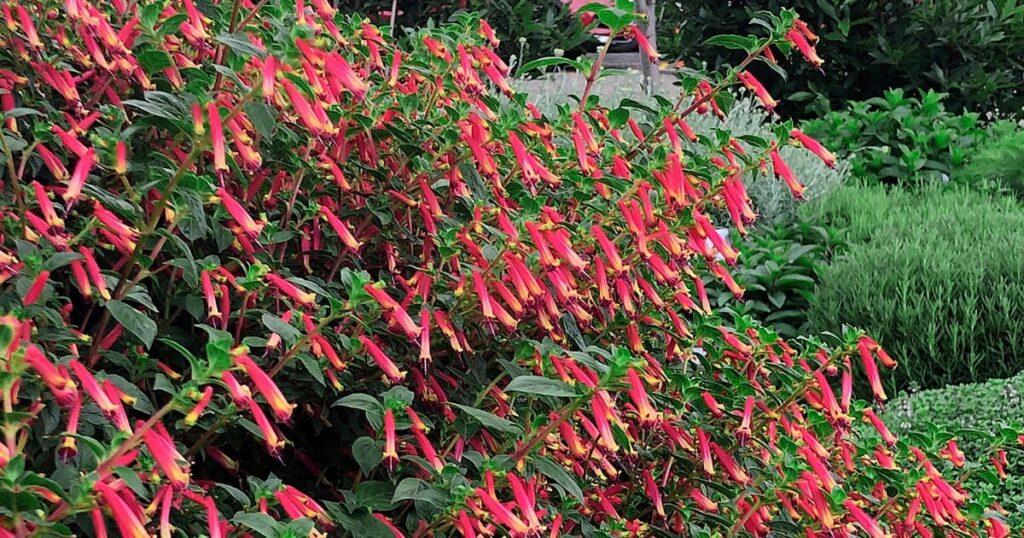
For nonstop energy and color, Hummingbird’s Lunch Cuphea lives up to its name. Bright, two-toned cherry-red flowers provide a natural food source for hummingbirds and other pollinators from spring through fall—and nearly year-round in frost-free climates.
This fast-growing plant reaches approximately 24 to 32 inches tall and 24 to 26 inches wide. Its tidy size fits easily into sunny borders, garden beds, and patio containers, where hummingbird activity can be enjoyed up close.
Hummingbird’s Lunch performs in full sun to part shade and is both heat-tolerant and water-wise once established. Pair it with golden or cream-colored foliage, such as Miss Lemon Abelia, to make its red flowers stand out.
Bring Bold Texture to Hot, Dry Spaces with ‘Ruby’ SUPERSEMPS®
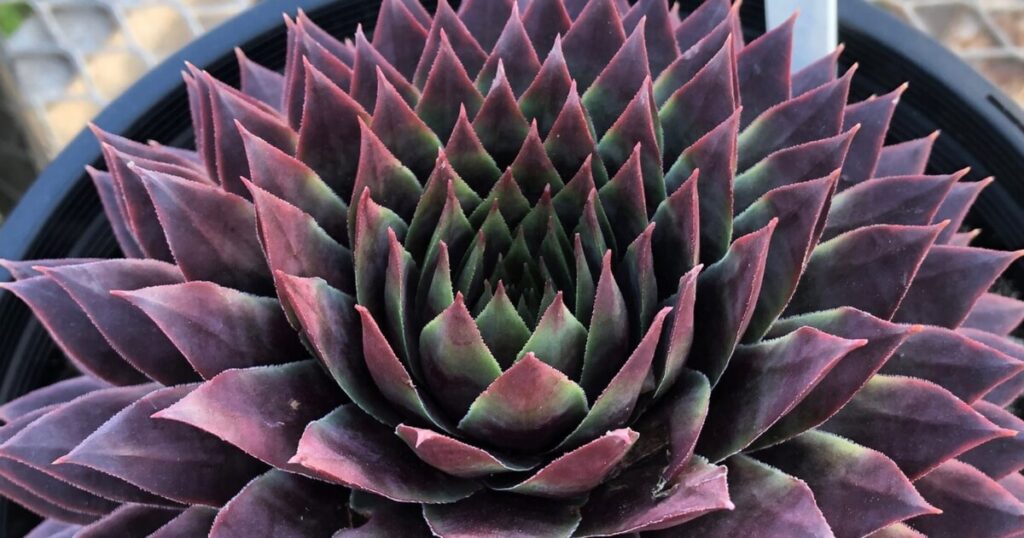
Flowers are not the only way to create summer color. ‘Ruby’ SUPERSEMPS adds sculptural form and rich maroon-and-green foliage to containers, borders, poolside plantings, and fire-wise landscapes.
Its oversized rosettes—or “hens”—can reach 8 to 12 inches across and gradually produce smaller “chicks” around the parent plant. Unlike many succulents whose color can fade during warm weather, ‘Ruby’ SUPERSEMPS holds its color well in full sun.
At only 4 to 8 inches tall, it is ideal for the front of a border or as a living accent among stones and gravel. Plant it in sharply draining soil and allow the soil to dry between waterings. Once established, it needs little supplemental water.
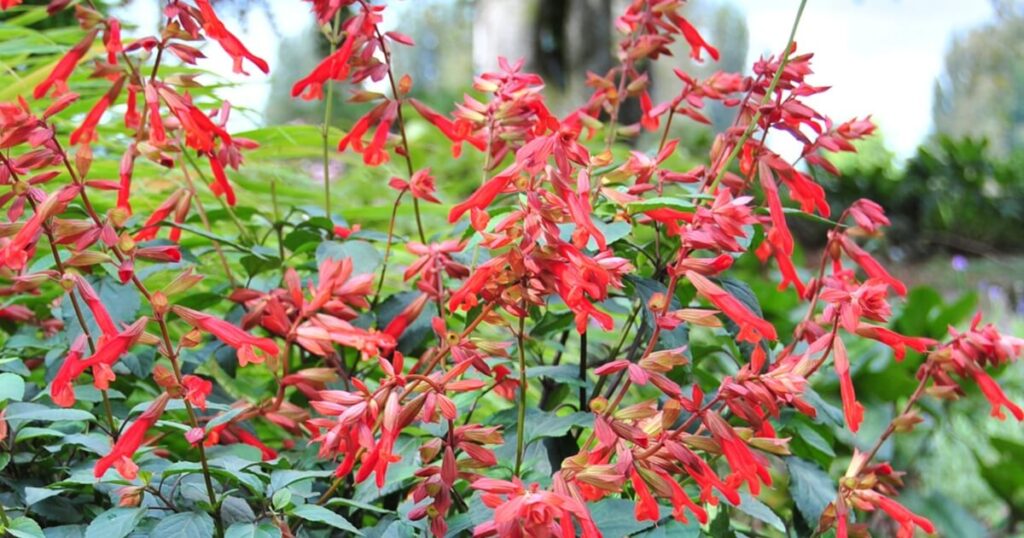
Keep the Color Coming with ‘Ember’s Wish’ Salvia
Salvia is a summer garden favorite for good reason. ‘Ember’s Wish’ Salvia produces glowing coral flowers from early spring until frost, even as temperatures rise. Its tubular blooms attract hummingbirds and other pollinators, while its generous habit creates a rounded mass of color in beds and large containers.
Reaching 3 to 4 feet tall and approximately 3 feet wide, ‘Ember’s Wish’ makes a strong focal point or a colorful backdrop for lower-growing plants. It performs in full sun to part shade and does not require regular deadheading to continue flowering.
Although it stands up well to heat, ‘Ember’s Wish’ has medium water needs once established. Check the soil regularly during extended hot or dry periods rather than assuming all heat-tolerant plants require the same irrigation.
Create a Layered, Heat-Ready Planting
These five plants can be combined to create a complete summer garden. Use Miss Lemon and ‘Kaleidoscope’ Abelia to establish evergreen structure. Add ‘Ember’s Wish’ Salvia and Hummingbird’s Lunch Cuphea for long-lasting flowers and pollinator activity. Finish the front of the planting with ‘Ruby’ SUPERSEMPS for bold texture and water-wise color.
Repeating each plant in small groups will create a more cohesive result than planting one of everything. A simple color palette of golden foliage, coral and red flowers, and ruby-toned succulents ties the planting together while allowing differences in form and texture to stand out.
Water Wisely Through Summer
Heat tolerance and drought tolerance are related, but they are not interchangeable. Even water-wise plants need regular irrigation while their roots become established, and plants in containers generally dry out faster than those growing in the ground.
During periods of extreme heat:
- Water deeply rather than applying frequent, shallow irrigation.
- Check the soil before watering instead of relying only on a fixed schedule.
- Water early in the morning to reduce moisture loss.
- Apply a layer of mulch around shrubs and perennials, keeping it away from stems and crowns.
- Group plants with similar water needs whenever possible.
- Give plants in hotter inland gardens afternoon shade when recommended.
With thoughtful plant selection and well-matched irrigation, summer does not have to signal a slowdown in the garden. Choose plants suited to your Sunset Climate Zone, give them time to establish, and let heat-loving foliage and flowers carry the landscape beautifully through the season.
Explore the Sunset Plant Collection online and use our Garden Center Locator to find a retailer near you.