
Summer can bring out the best in a garden, but it can also show you exactly where your landscape needs a little extra support. Hot afternoons, dry stretches, fast-growing plants, and thirsty containers can all make midsummer feel like a turning point.
This is the time to check in, make a few smart adjustments, and notice what is working. With the right watering habits, fresh mulch, early stress checks, and plants chosen for Western growing conditions, you can help your garden stay healthier, more colorful, and easier to enjoy through the season.
Looking for plants that are selected with Western gardens in mind? Explore Sunset® Plant Collection plants online and use our Garden Center Locator to find a retailer near you.
Start with a Mid-Summer Garden Check-In
Before you start watering more, pruning heavily, or replacing plants, take a slow walk through your garden. Look for areas that feel dry, overgrown, faded, or stressed. Pay close attention to containers, sunny borders, newly planted shrubs, and spots that get reflected heat from patios, walls, driveways, or walkways. As you walk, look for:
- Wilting leaves that do not recover by evening
- Scorched or crispy leaf edges
- Bare soil where mulch has thinned
- Containers drying out faster than usual
- Overgrown or tired-looking annuals
- Diseased or insect-damaged foliage
- Areas that need more color, texture, or structure
Water Deeply Instead of Watering More Often
In summer, watering is important, but more frequent watering is not always better. A quick sprinkle may only wet the surface of the soil, which encourages shallow roots and leaves plants more vulnerable during hot weather. A better approach is to water slowly and deeply so moisture reaches the root zone. This is especially important for trees, shrubs, perennials, and larger container plants. Before watering again, check the soil a few inches down. If it still feels cool or damp, wait. If it feels dry, water thoroughly.
Summer watering tips
- Water early in the day when possible.
- Aim water at the soil instead of the leaves.
- Give newly planted shrubs and perennials more consistent moisture while they establish.
- Check containers more often than in-ground plants.
- Reduce watering for established low-water plants if the soil is still damp.
- Adjust irrigation after heat waves, rain, or cloudy coastal stretches.
If your irrigation system is on a timer, midsummer is a good time to make sure it is still working for the season you are actually in. A schedule that worked in spring may not be enough during peak heat, while some established plantings may not need as much water as newer beds.
Refresh Mulch Where Soil Is Exposed
Mulch is one of the simplest ways to support a summer garden. It helps slow moisture loss, reduce weeds, and keep soil temperatures more consistent during hot weather. By midsummer, mulch may have shifted, broken down, or thinned out. Check around shrubs, perennials, containers, and sunny beds for exposed soil. Add mulch where needed, but avoid piling it directly against stems, trunks, or crowns. Leaving a little breathing room around the base of the plant helps prevent excess moisture from sitting against the plant.
Watch for Heat Stress Before It Gets Worse
Heat stress can show up quickly in Western gardens, especially during dry spells or after several hot days in a row. Catching stress early gives you a better chance to help plants recover before the damage spreads. Common signs of heat stress include:
- Wilting
- Leaf drop
- Brown or scorched leaf edges
- Yellowing leaves
- Slowed growth
- Flowers fading faster than usual
- Soil pulling away from the sides of containers
If a plant looks stressed, start by checking the soil. Dry soil may call for a slow, deep soak. Damp soil may mean the issue is poor drainage, limited airflow, root stress, or too much intense afternoon sun. For containers, consider moving pots into a spot with morning sun and afternoon shade during extreme heat. For in-ground plantings, mulch and deep watering can help even out moisture swings.
Keep Leaves Dry When You Can
Many summer plant problems are made worse by wet foliage, especially in warm, humid, shaded, or coastal conditions. Leaves that stay damp can be more vulnerable to fungal issues like powdery mildew. Try watering early in the day, so leaves have time to dry before evening. Aim water toward the soil rather than spraying over the top of the plant. If a planting has become crowded, light cleanup can improve airflow.
Remove Damaged or Diseased Growth
Midsummer is a good time to clean up problem growth before it spreads. If you see diseased leaves, heavily insect-damaged foliage, or plant material that looks unhealthy, remove it from the garden instead of adding it to compost. This helps reduce the chance of carrying pests or disease into other areas of the landscape.
Light cleanup can also make the garden look fresher without requiring a major reset. Remove broken stems, clear fallen debris, and trim spent growth where appropriate. Before doing any heavy pruning, check the needs of the specific plant. Some plants benefit from light shaping or deadheading in summer, while others are better pruned at another time of year.
Refresh Tired Spots with Low-Water Plants
By midsummer, it is usually clear which areas of the garden are thriving and which ones are asking for something different. If a border looks tired, a container dries out too quickly, or thirsty annuals are struggling, consider replacing high-maintenance plantings with water-wise plants.
Summer-Ready Plants for Western Gardens
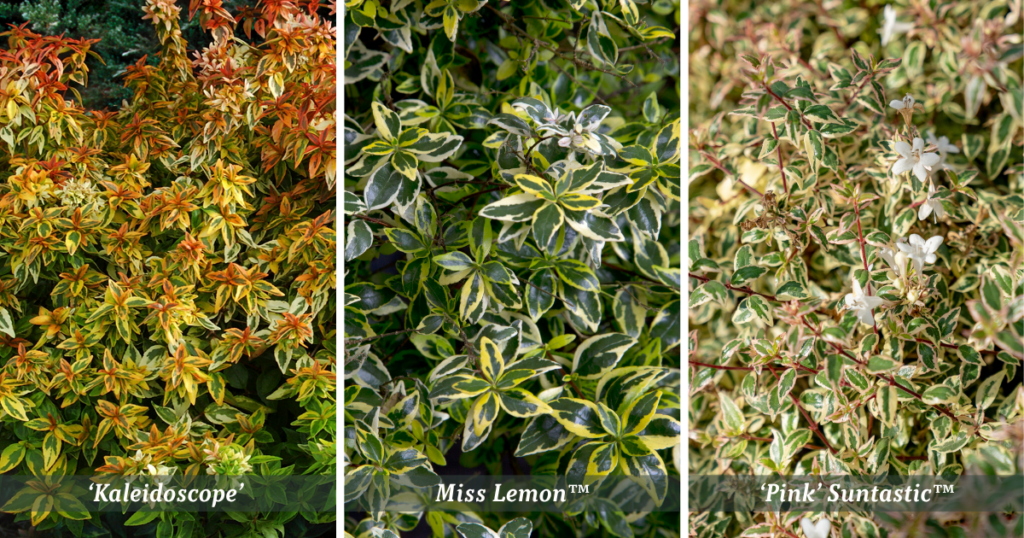
Abelias
With colorful foliage, compact habits, and delicate blooms that pollinators love, abelias bring long-lasting interest to borders, foundations, slopes, and containers.
Sunset® Plant Collection offers several abelia varieties to fit different garden styles, including ‘Kaleidoscope’, Miss Lemon™, and ‘Pink’ Suntastic™. Use them where you want easy color, soft texture, and dependable structure without a high-maintenance look. These abelias also pair well with ornamental grasses, agapanthus, lomandra, nandina, and evergreen shrubs for a layered planting that feels colorful but still clean and manageable.
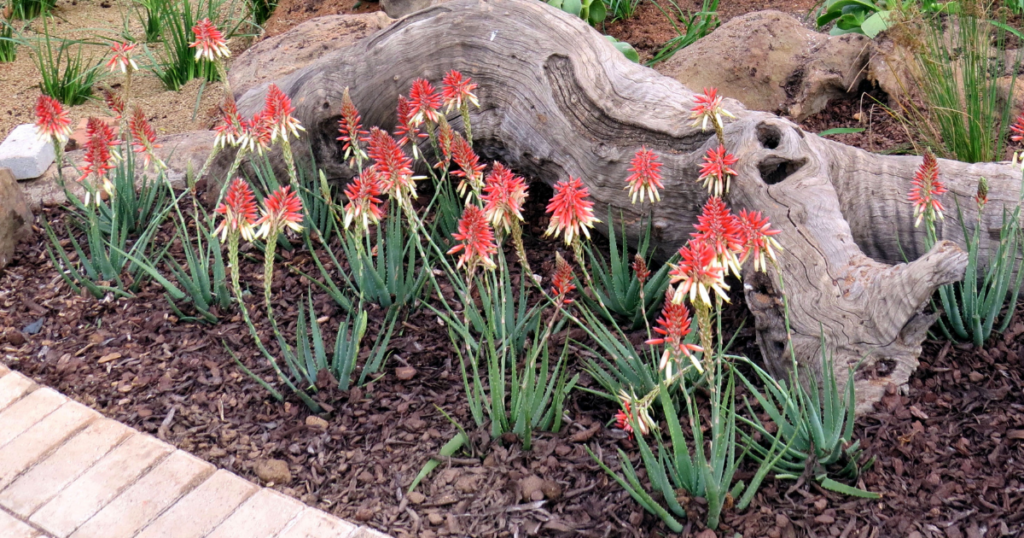
Safari Sunrise™ Aloe
Safari Sunrise is a compact, water-wise choice with serious flower power. This evergreen aloe brings bold texture to the garden and produces bi-colored orange and pink flower spikes that are especially showy from fall into winter.
Once established, it has low water needs and thrives in well-drained soil, making it a strong fit for coastal plantings, containers, poolside landscapes, rock gardens, and fire-wise designs. Its nectar-rich blooms also help attract hummingbirds and butterflies!
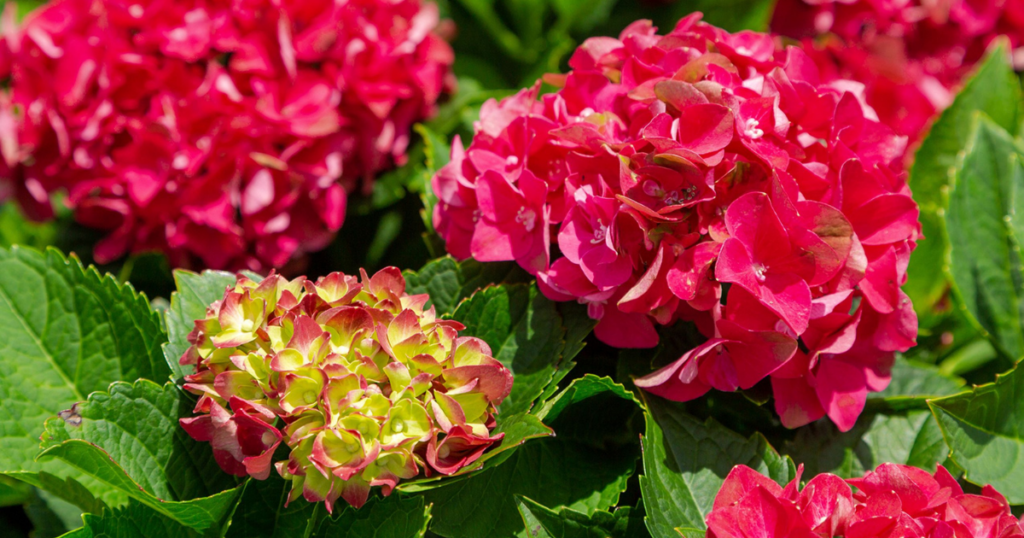
Heart Throb™ Hydrangea
Heart Throb brings bold summer color with dark red blooms tipped in green that mature to a rich, antiqued red. Its compact 3-foot habit makes it a beautiful choice for borders, foundation plantings, garden beds, and smaller spaces where you want high-impact flowers without a large shrub.
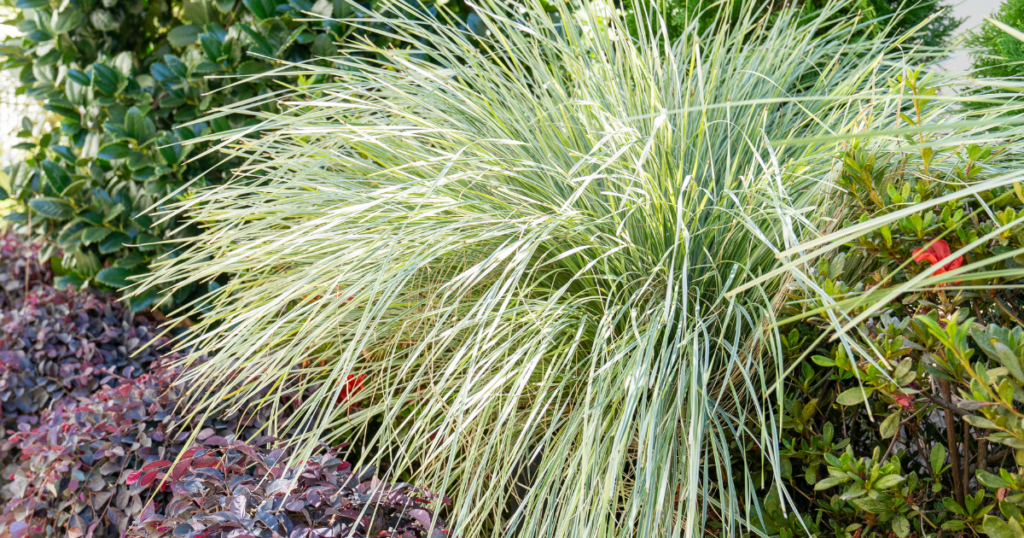
Platinum Beauty® Lomandra
Platinum Beauty brings soft movement and variegated texture to the garden. Its arching foliage works especially well in low-maintenance plantings where you want structure without a stiff or formal look. Use it in mass plantings, along walkways, in containers, or as a textural contrast near bolder shrubs.
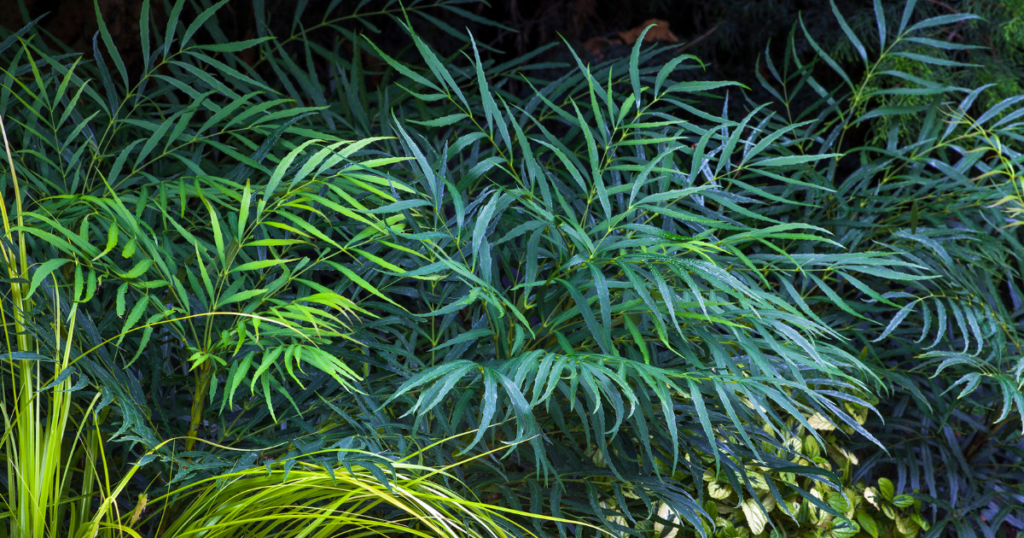
‘Soft Caress’ Mahonia
For shady garden spaces, Soft Caress offers airy, bamboo-like foliage that softens shaded spaces and adds year-round interest. It works well near entries, patios, foundation beds, and woodland-inspired plantings.
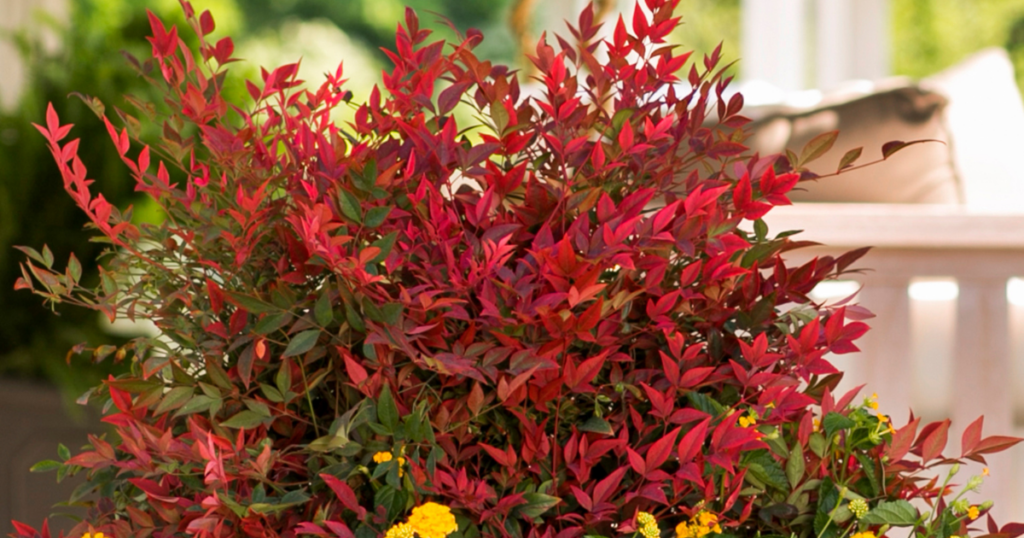
Obsession™ Nandina
Obsession brings rich foliage color and upright form to the landscape. Its compact habit makes it useful in foundation plantings, mixed borders, and containers where you want color and structure without taking up too much space.
Use Summer to Plan Smarter
Summer is not just a season to get through. It is also a chance to learn from your garden! Notice which plants stay attractive with less attention. Pay attention to which beds dry out first, which containers need constant watering, and which areas feel flat once spring blooms fade. These observations can help you make better choices when you refresh a border, redesign a foundation bed, or add new containers later in the season. Try asking yourself:
- Which plants still look good in the heat?
- Where would more mulch help?
- Which containers need better plant choices?
- Are any areas getting too much afternoon sun?
- Where could I add more evergreen or foliage structure?
- Which plants need less water once established?
Help Your Garden Beat The Heat!
Summer can ask a lot of a garden, but small adjustments can make the season easier to manage. Deep watering, soil checks, fresh mulch, cleaner foliage, and early stress monitoring all help support healthier plants through heat and dry stretches!
Ready to get planting? Explore the collection to find summer-ready plants for your landscape, or use our retailer locator to find Sunset plants near you!